Between Inside and Outside: Blurring Boundaries
Architecture has long been defined by separation — walls that divide, thresholds that distinguish, and boundaries that establish what is inside and what is out. Yet, contemporary design increasingly challenges this binary, seeking instead to dissolve it.
The modern approach to space is no longer about enclosure, but about continuity. Interiors extend outward, and exteriors flow inward. The distinction becomes less physical and more perceptual — shaped by light, material, and movement rather than by rigid barriers.
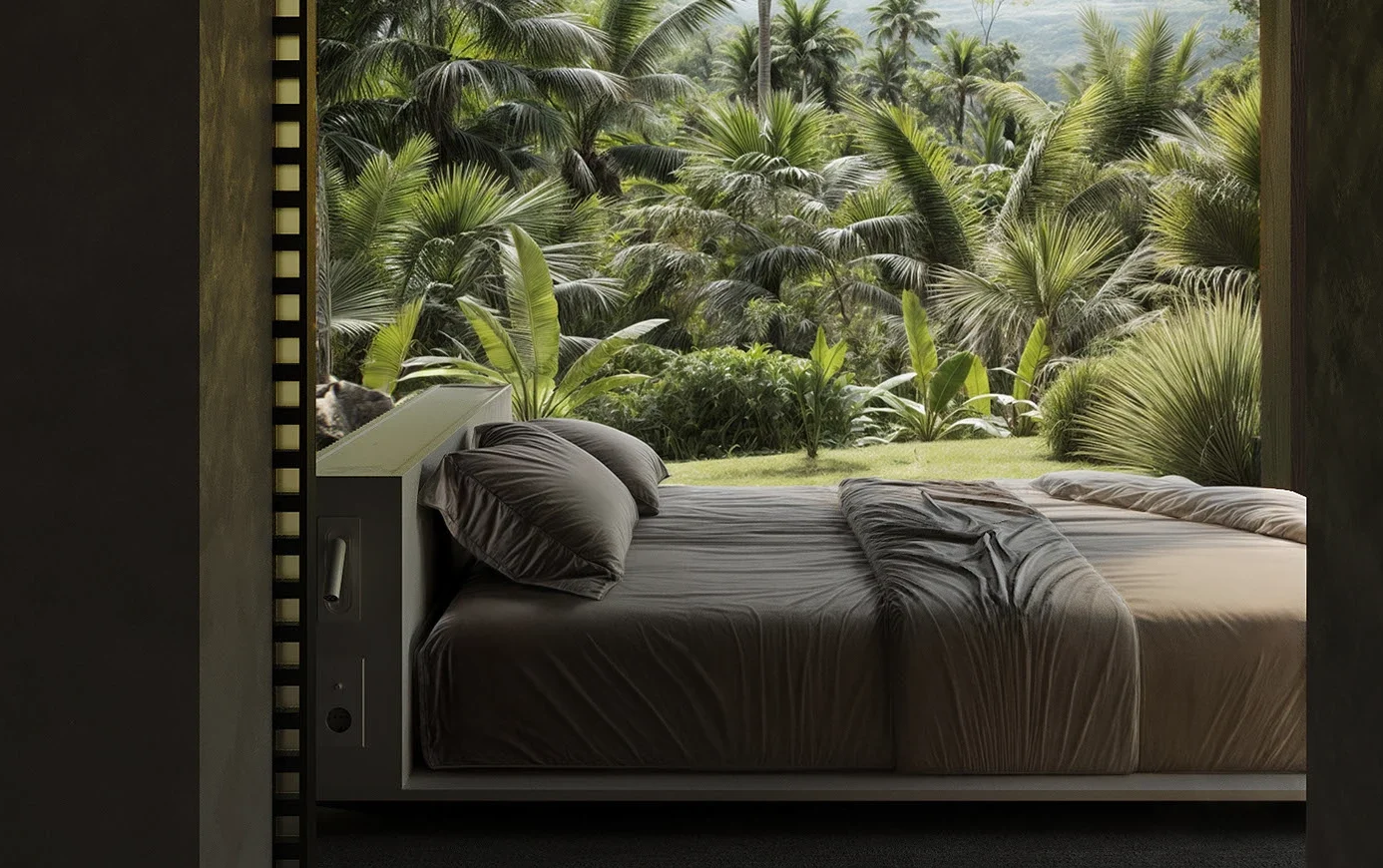
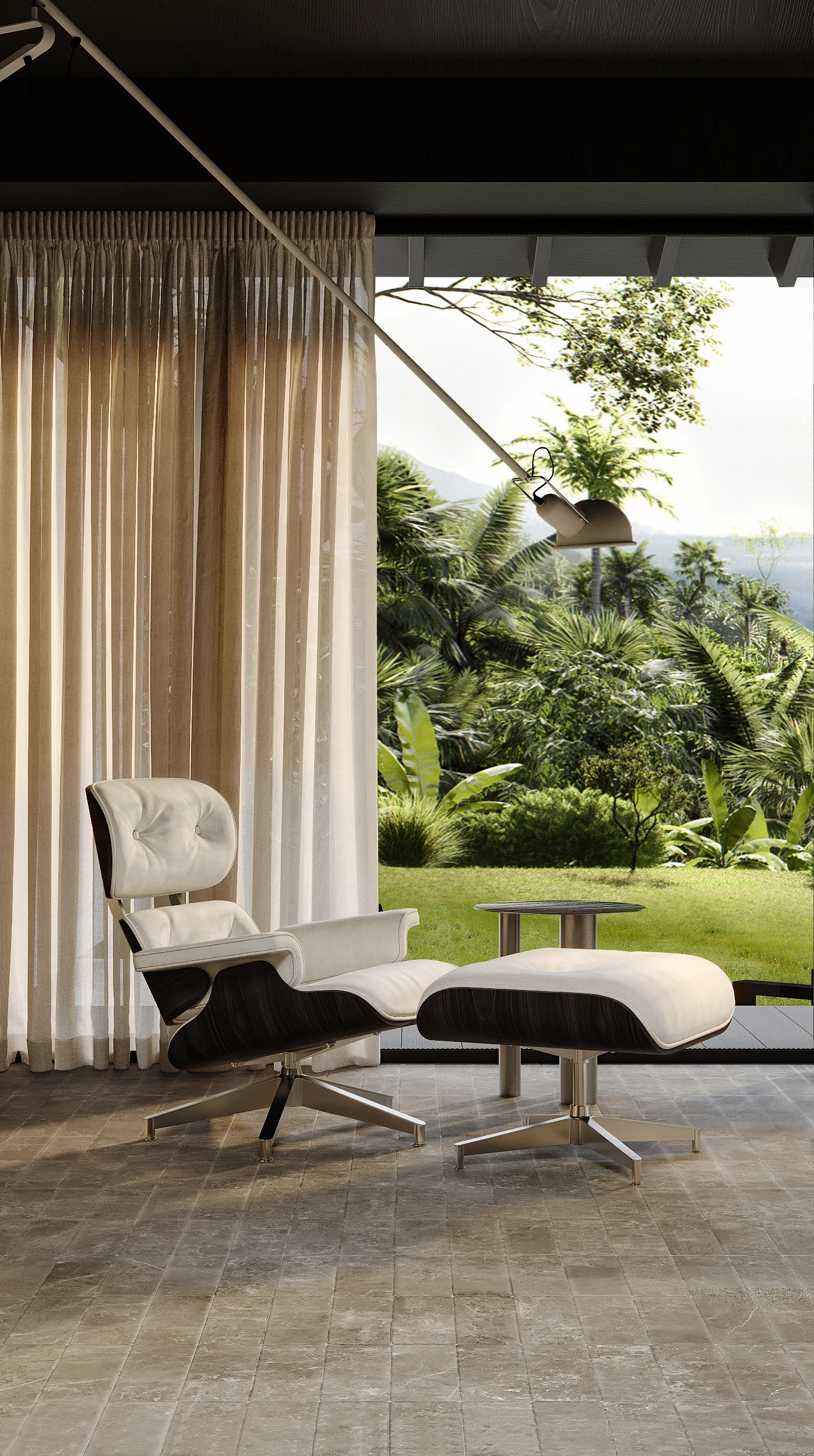
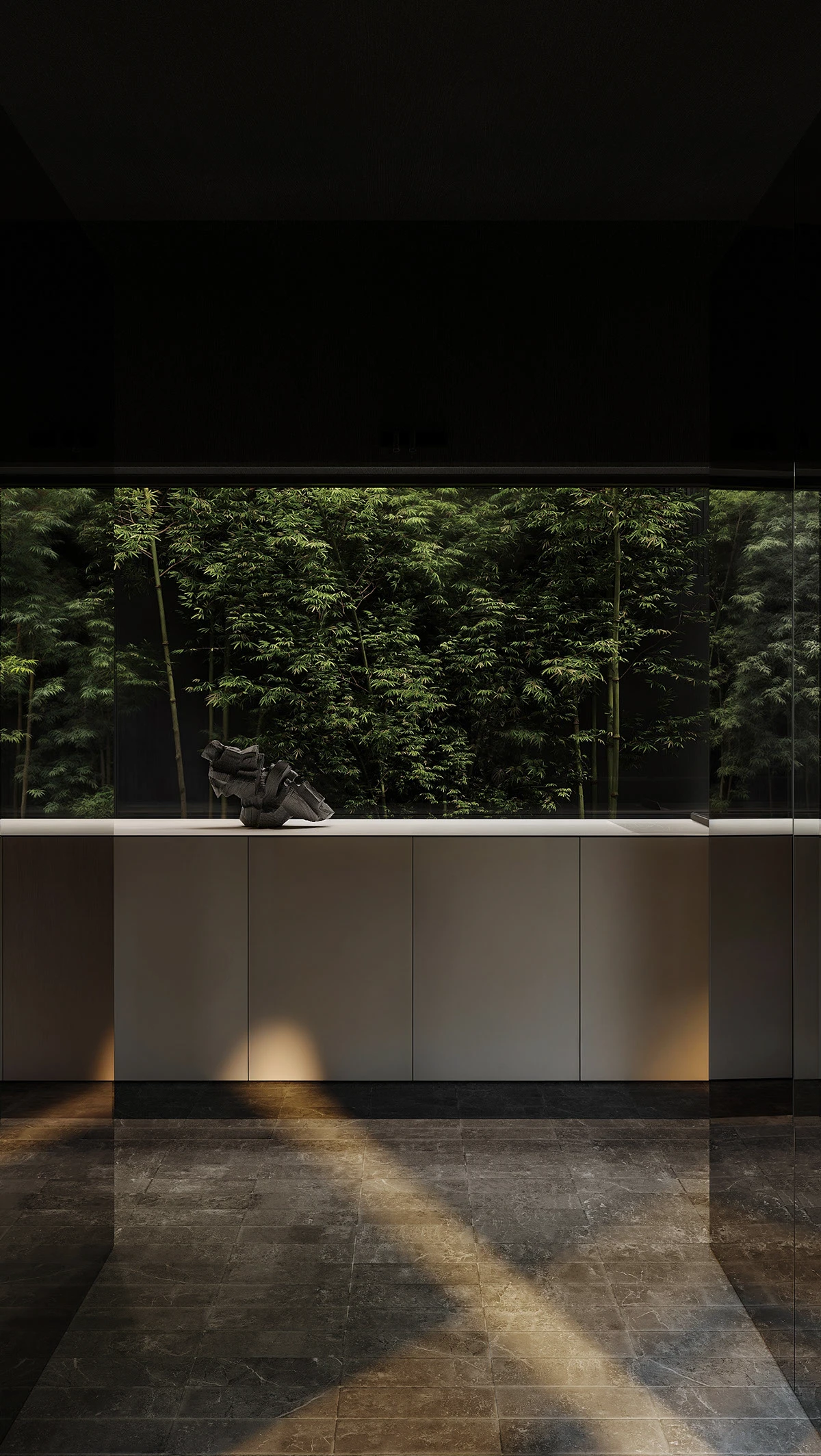
Large openings, sliding panels, and transparent surfaces are often the first gestures in this transition. But beyond these elements lies a deeper intention: to create a seamless experience where the environment becomes part of the architecture itself.
The most compelling spaces are those where boundaries are felt, but not seen.
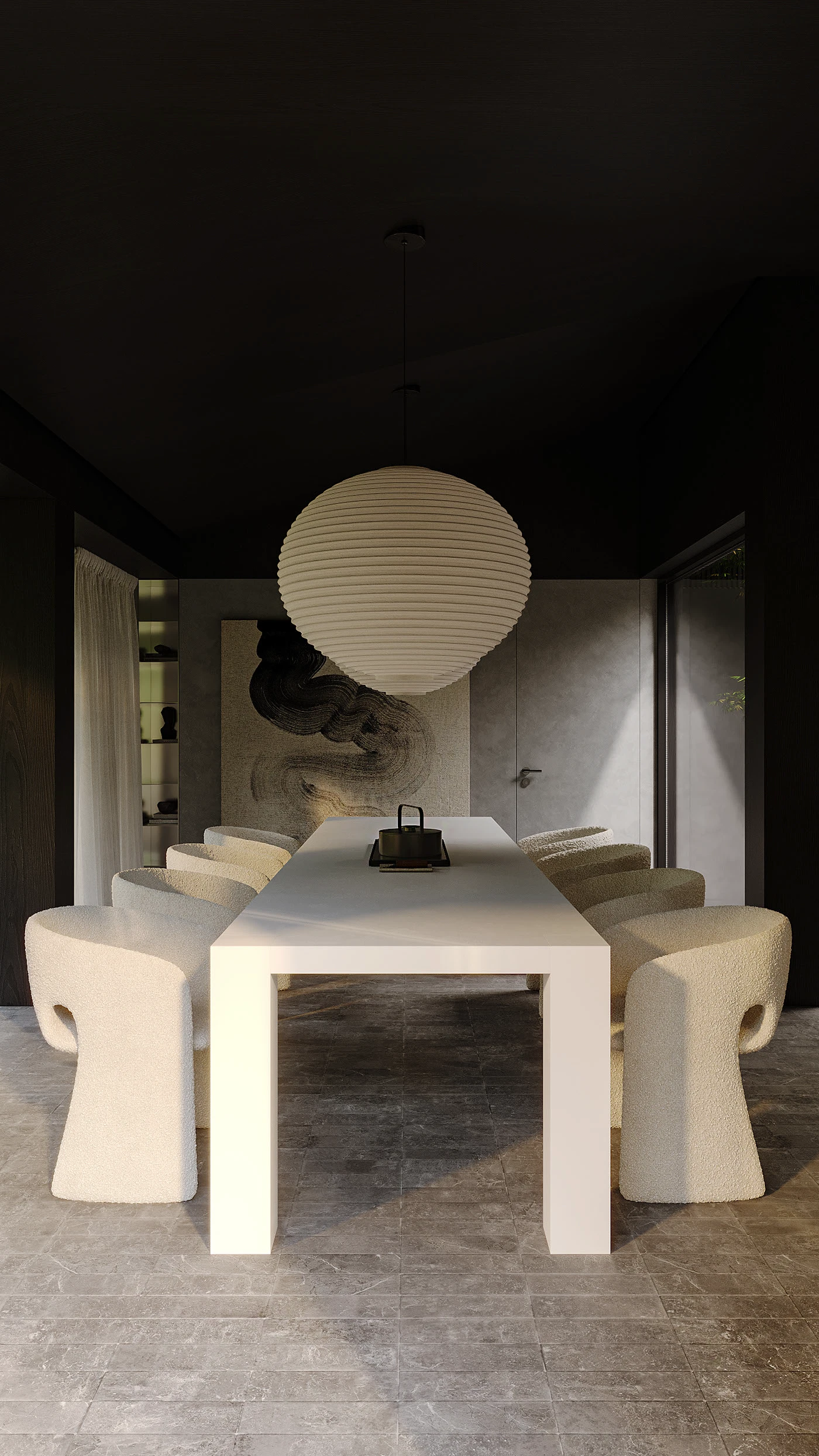
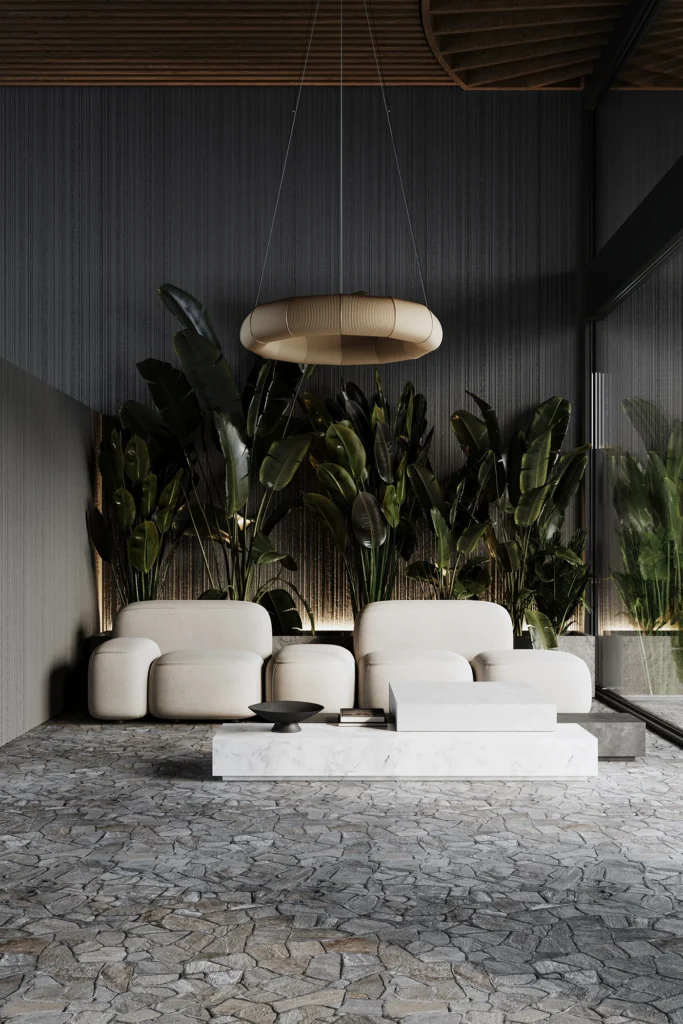
Materiality plays a crucial role in this dialogue. When the same textures and finishes move from inside to outside, the transition becomes almost imperceptible. A stone floor that begins in a living area and continues into a courtyard, or a ceiling plane that extends beyond glass — these gestures unify the space.
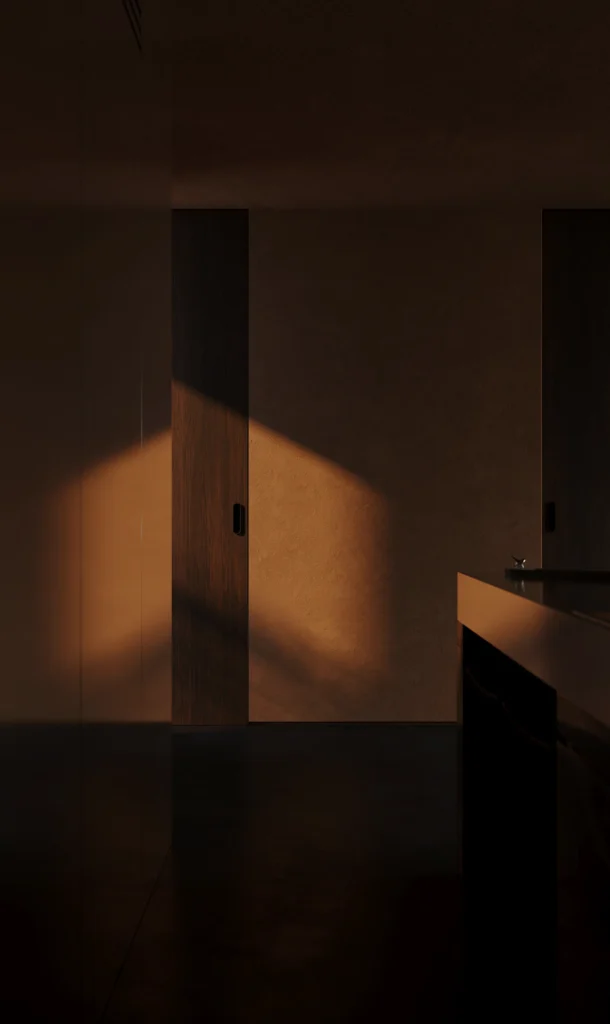
Light, too, becomes a connector. Natural light does not recognize boundaries; it travels, reflects, and transforms surfaces across both realms. By allowing light to move freely, spaces gain depth and fluidity.
This approach is not just aesthetic — it is experiential. It changes how occupants engage with their surroundings. Instead of being isolated from nature, they become part of it. Air flows more freely, views expand, and the sense of confinement dissolves.
To blur boundaries is to invite the outside in — and to let the inside breathe.
However, achieving this balance requires precision. Too much openness can lead to a loss of privacy or comfort. The design must carefully mediate exposure and enclosure, creating moments of openness alongside areas of retreat.
In this balance lies the essence of contemporary spatial design. It is not about removing boundaries entirely, but about redefining them — making them softer, more adaptable, and more responsive.
Ultimately, spaces that blur the line between inside and outside feel more expansive, more connected, and more alive. They reflect a shift in how we live — no longer confined by walls, but enriched by continuity.