The Quiet Language of Minimal Interiors
Minimalism is often mistaken for emptiness — a reduction of objects, a removal of detail, a pursuit of less for the sake of less. In reality, minimal interiors are not defined by absence, but by intention. They are carefully composed environments where every element exists for a reason, and nothing is left without purpose.
To design minimally is not to eliminate, but to refine. It requires a disciplined approach — one that questions every addition and evaluates its necessity. What remains is not a void, but a space of clarity, where the essential is allowed to emerge without distraction.
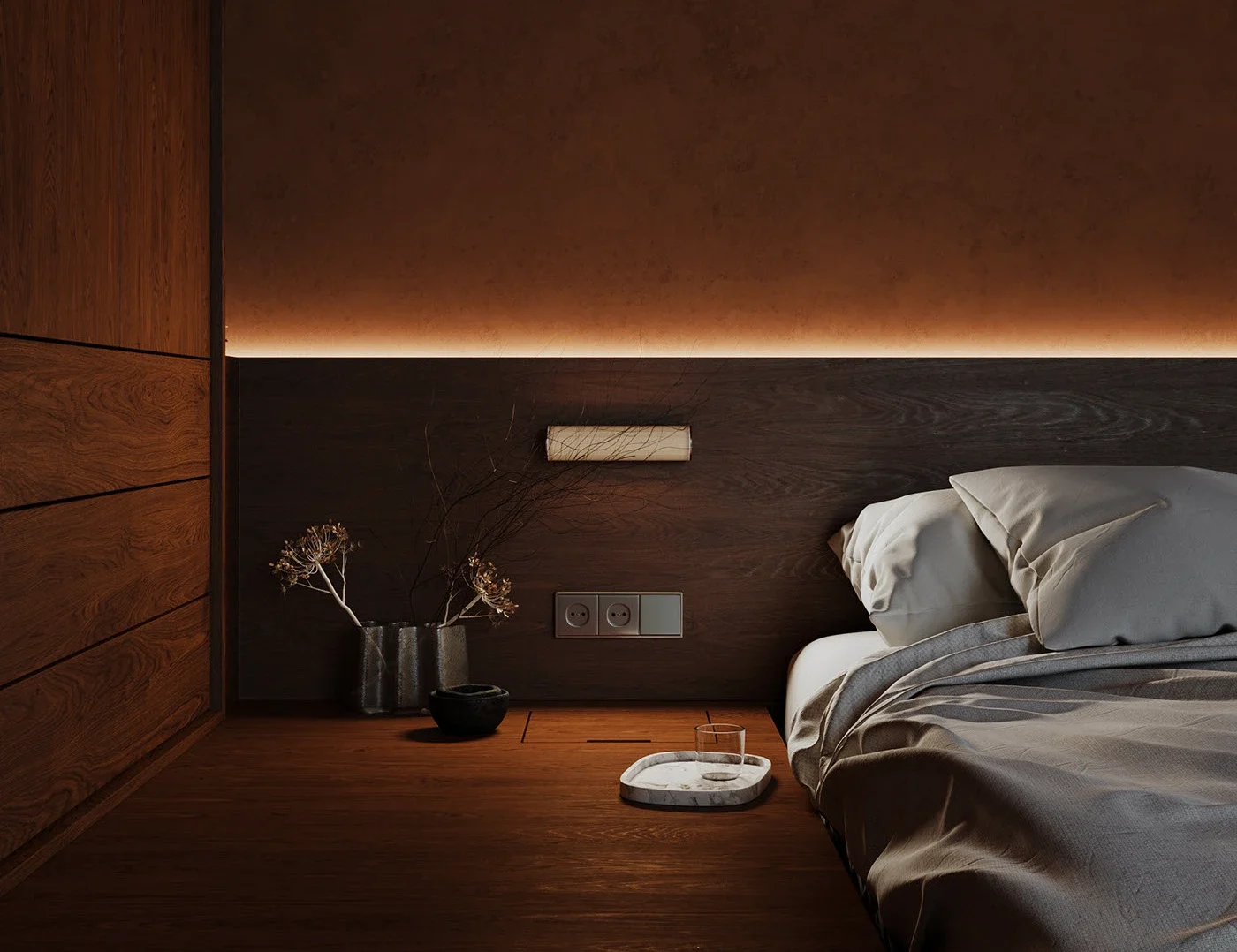
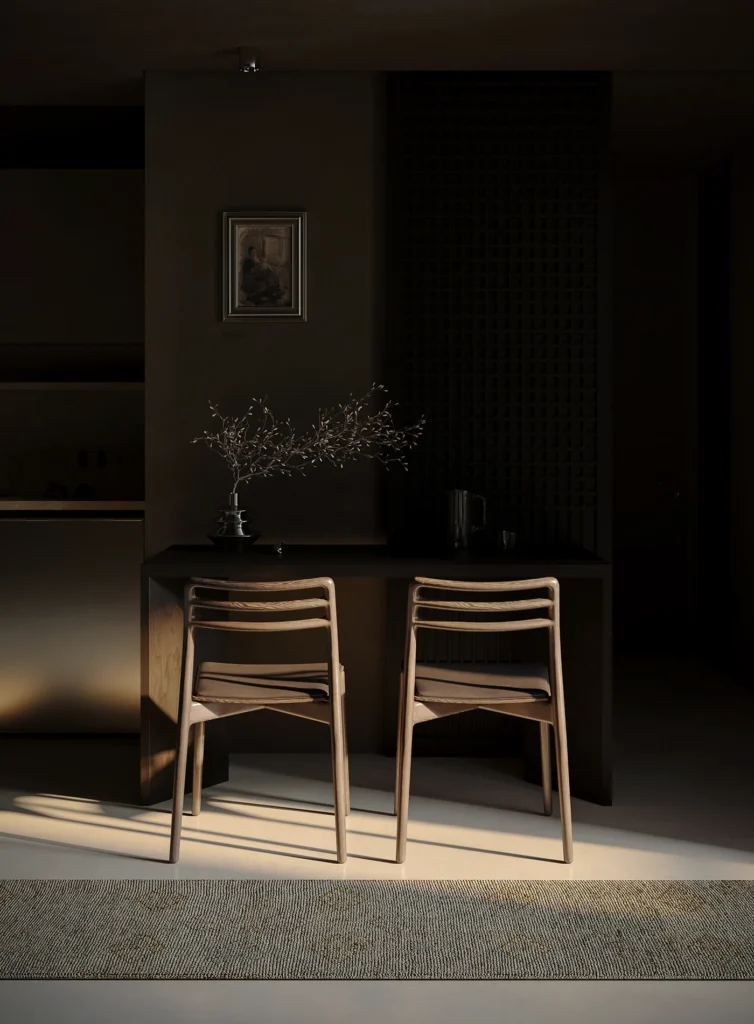
In such interiors, silence becomes a language. It is expressed through proportion, alignment, and the relationship between elements. The absence of visual noise allows subtle details to take precedence — the grain of wood, the texture of plaster, the way light travels across a surface.
Minimalism is not about having less, but about making room for what matters.
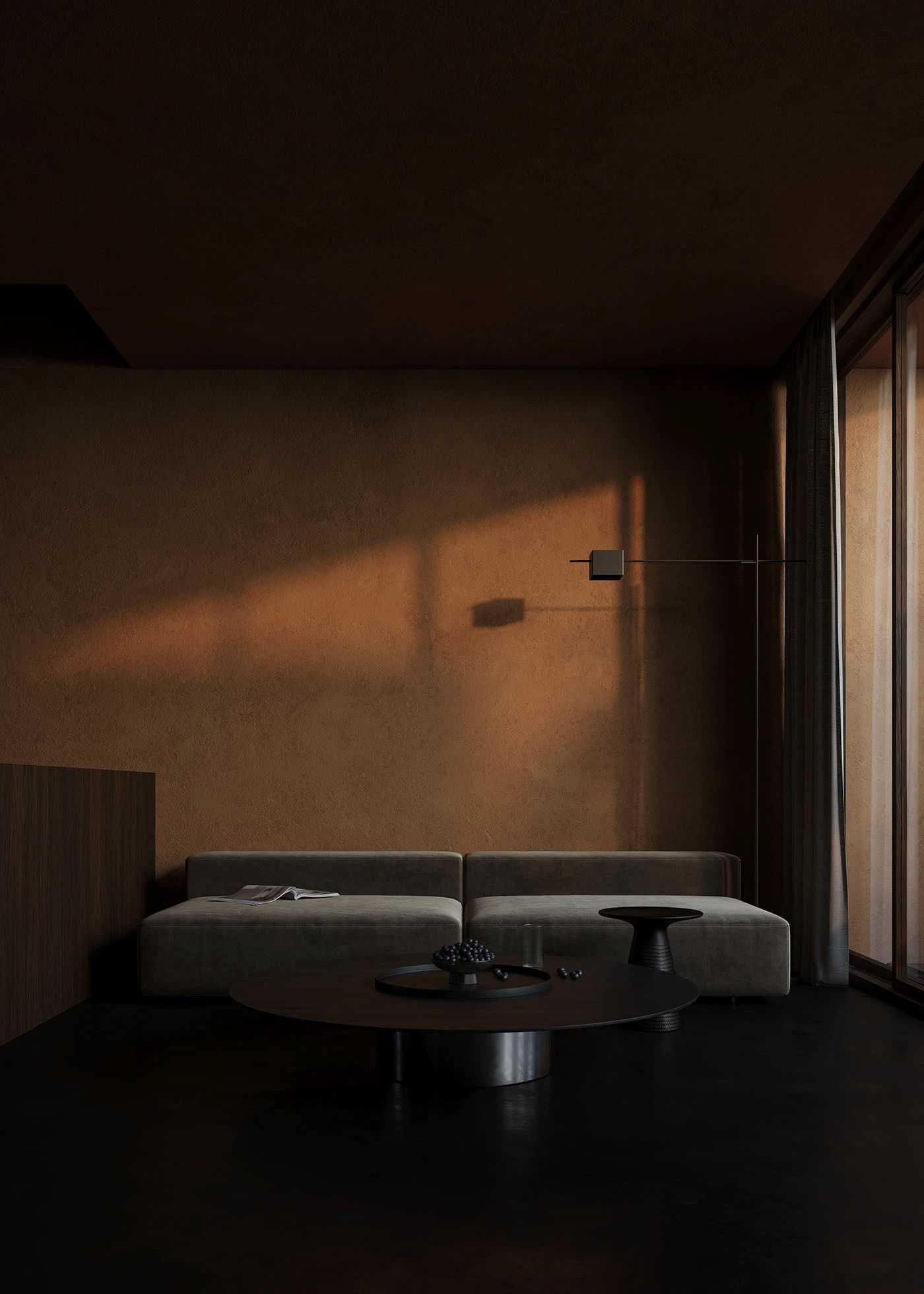
Materiality plays a central role in this approach. Without excessive decoration, materials are experienced more directly. Their textures, tones, and imperfections become the defining features of the space. A single wall, when treated with care, can carry more presence than an entire room filled with objects.
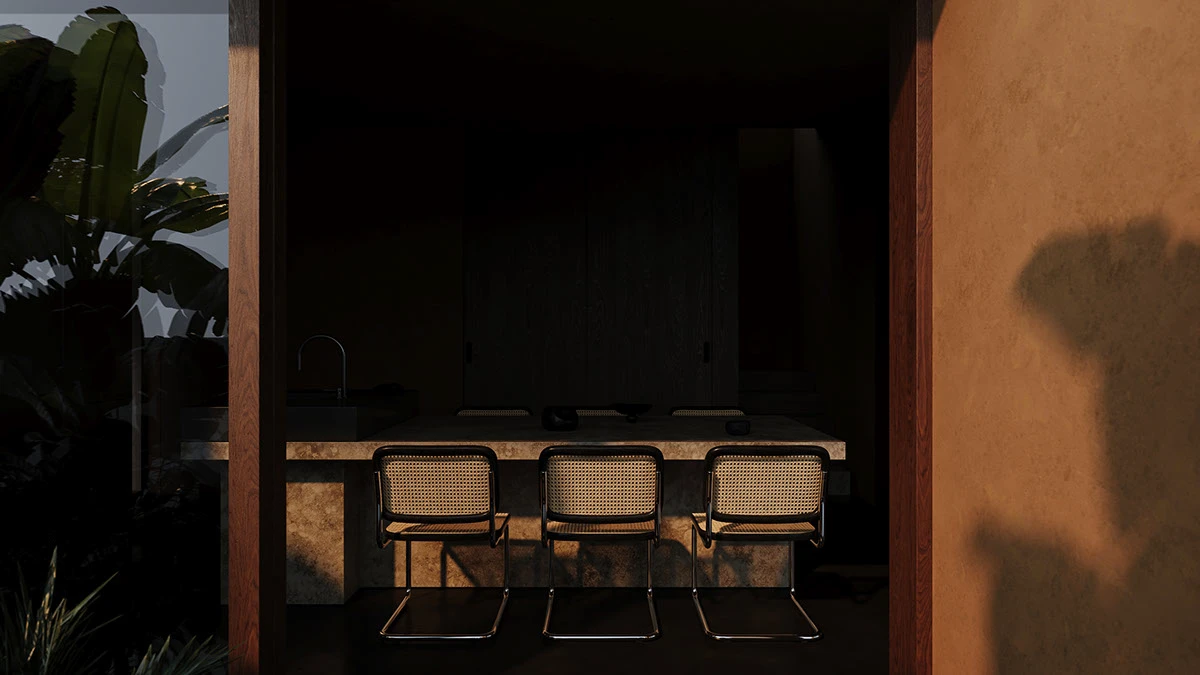
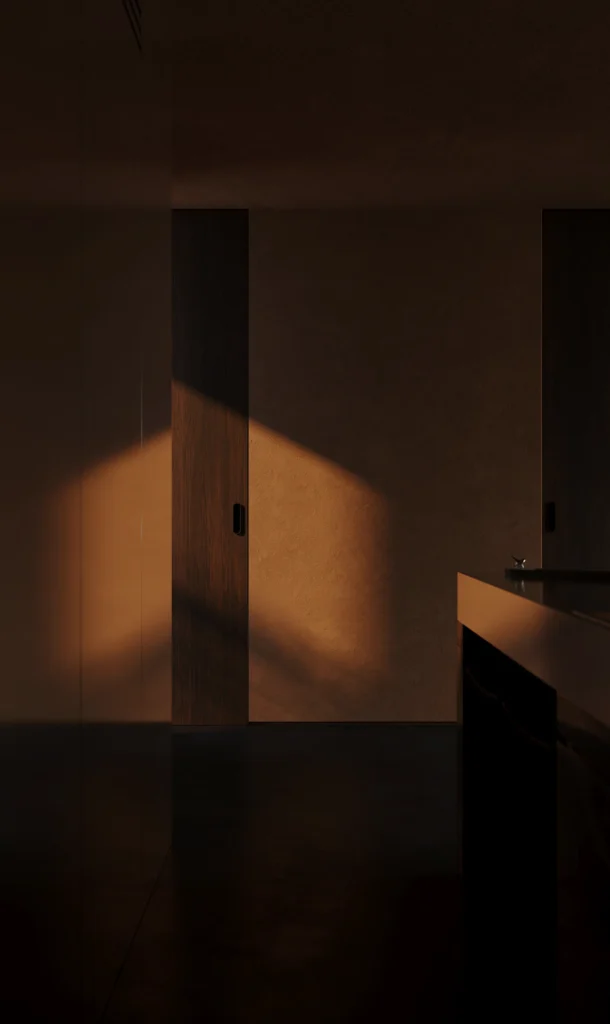
Light further amplifies this clarity. Natural light, unobstructed by heavy ornamentation, moves freely through the space, creating gentle transitions between brightness and shadow. These shifts introduce rhythm, ensuring that the space never feels static despite its simplicity.
The emotional impact of minimal interiors lies in their ability to calm. By reducing sensory overload, they create environments that support focus, reflection, and rest. In a world filled with constant stimulation, such spaces offer a necessary pause.
In stillness, space reveals its true character.
However, minimalism demands precision. Without layers of decoration to conceal flaws, every detail becomes visible. Proportions must be exact, transitions seamless, and materials thoughtfully chosen. The success of the space depends not on what is added, but on how well what remains is executed.
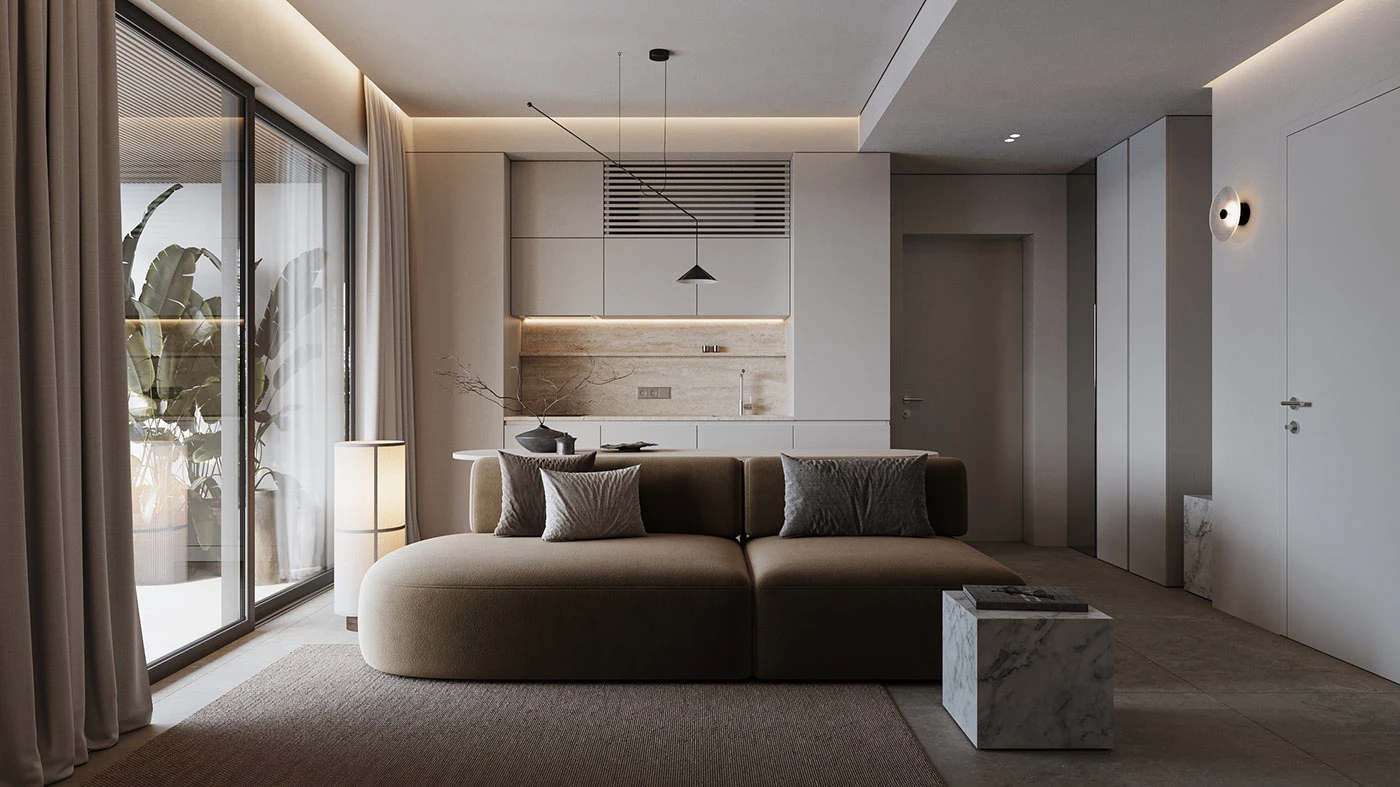
There is also a risk in misinterpreting minimalism as sterility. True minimal interiors are not cold or lifeless — they are warm, balanced, and human. This warmth often comes from natural materials, soft lighting, and subtle variations that prevent the space from feeling overly controlled.
Ultimately, minimal interiors are about clarity. They strip away the unnecessary, allowing space, light, and material to take precedence. In doing so, they create environments that are not only visually refined, but deeply experiential — spaces that speak quietly, yet leave a lasting impression.