Light as a Material: Designing with Shadows
Light is often understood as something that simply fills a space — a functional necessity that enables visibility. Yet, in architecture, light is far more than illumination. It is a material in its own right, capable of shaping perception, defining form, and transforming the experience of space.
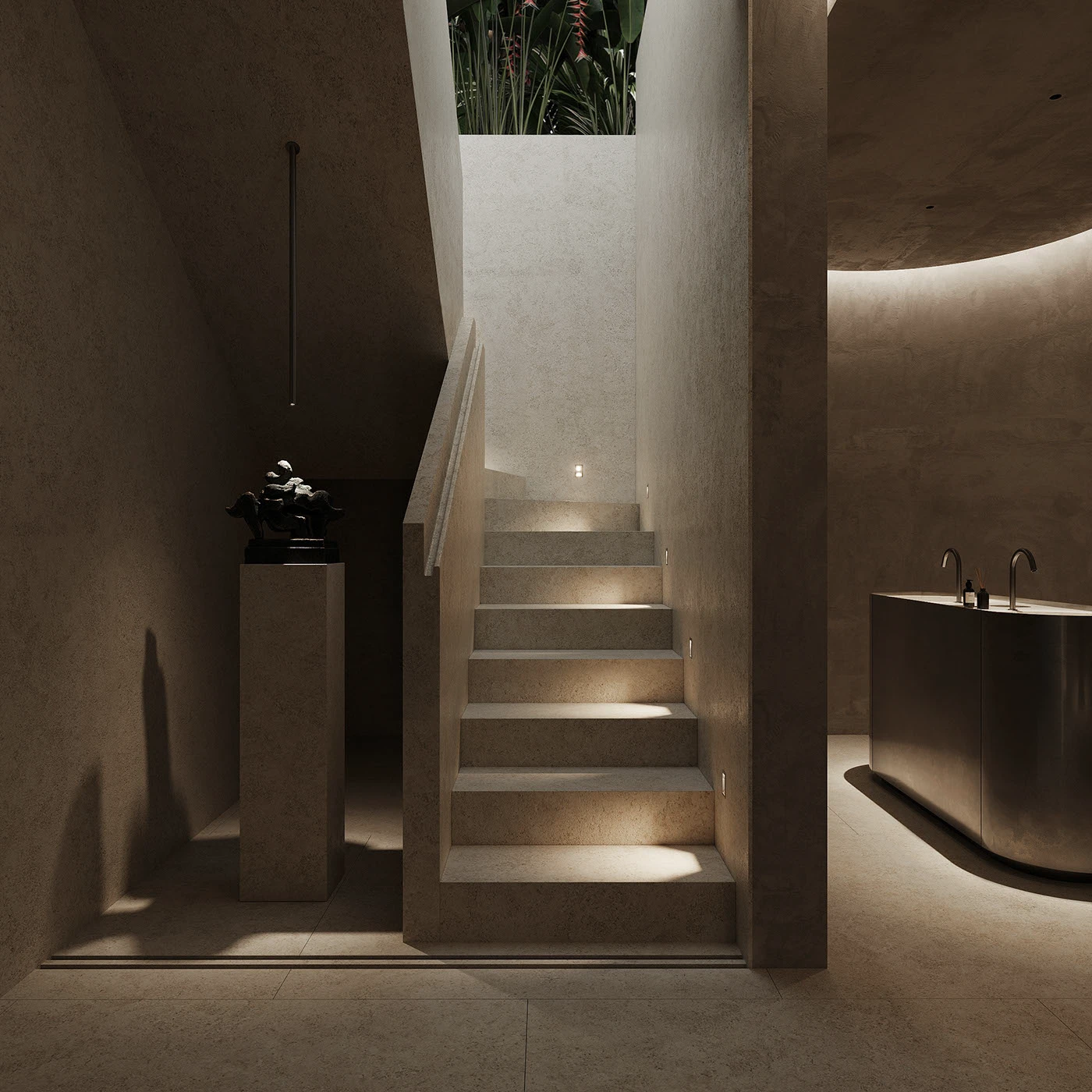
Unlike physical materials, light is intangible. It cannot be touched, yet it profoundly influences how we perceive texture, depth, and scale. A wall, when evenly lit, appears flat and static. But when light is directed, filtered, or interrupted, that same surface becomes dynamic — revealing nuances that would otherwise remain hidden.
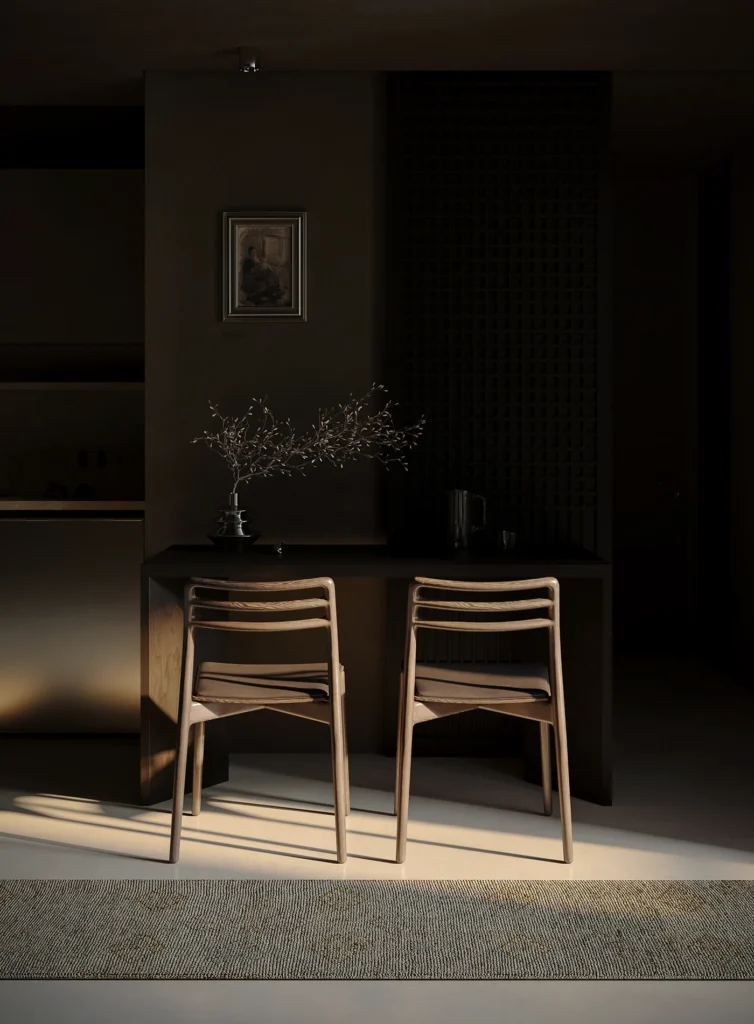
Shadows, often seen as the absence of light, are in fact its counterpart. They introduce contrast, rhythm, and tension. Without shadow, light loses its expressive power. Together, they create a dialogue — one that constantly evolves as the day progresses.
Light reveals form, but shadow gives it depth.
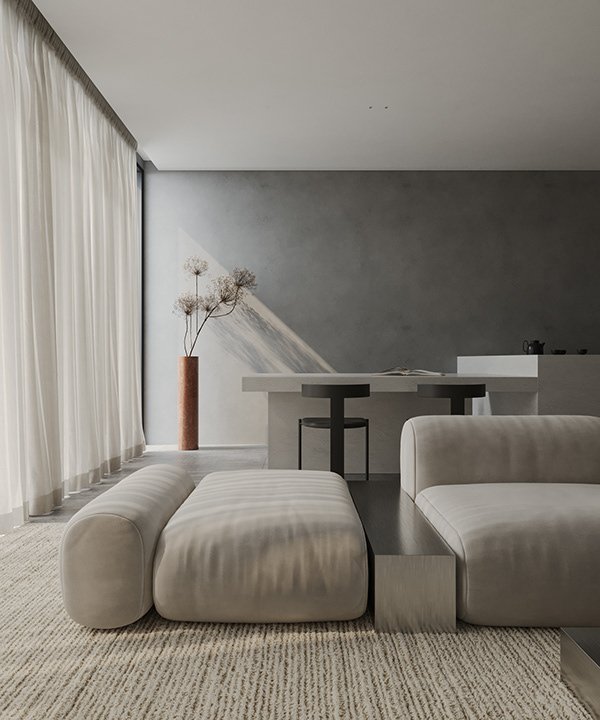
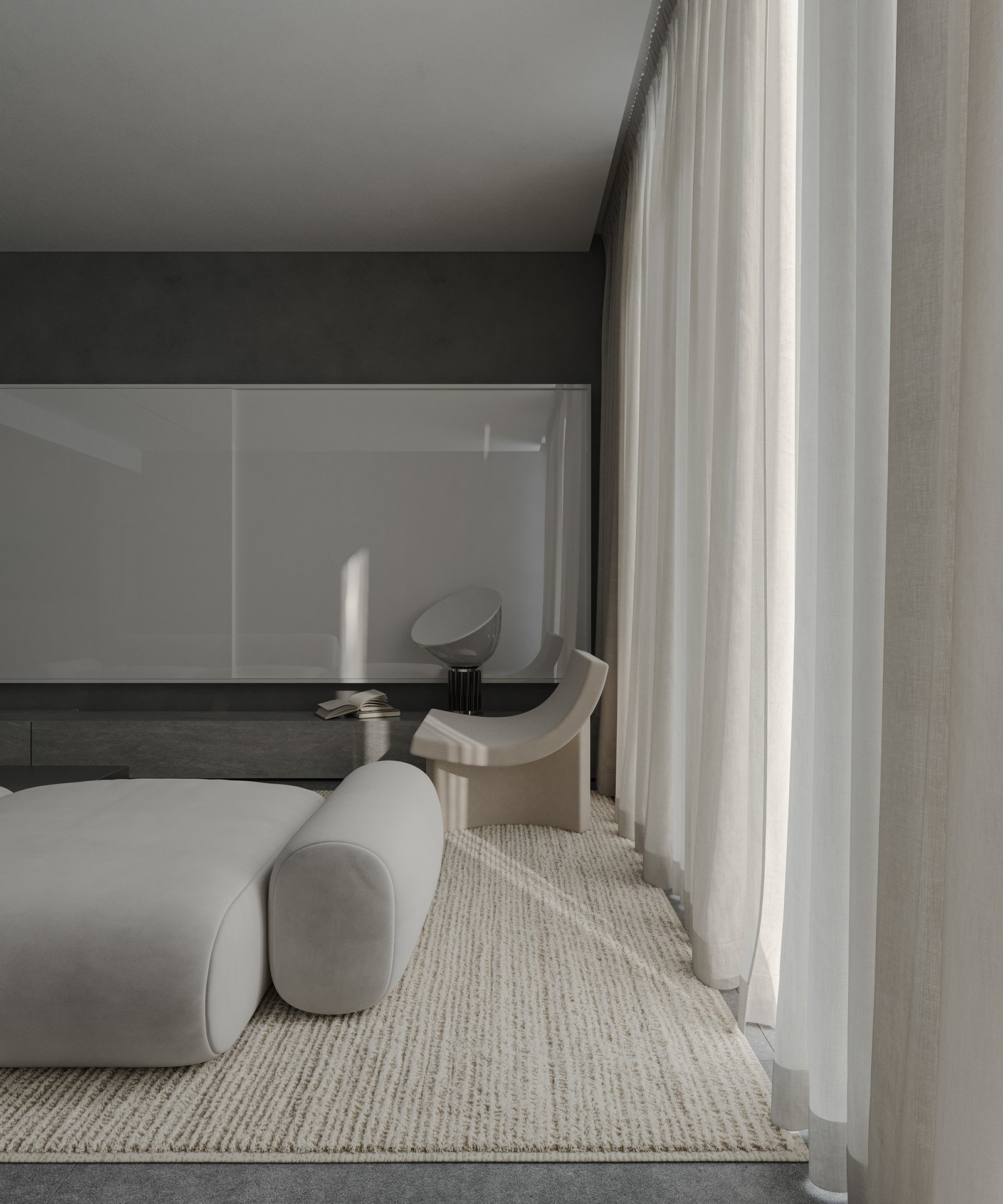
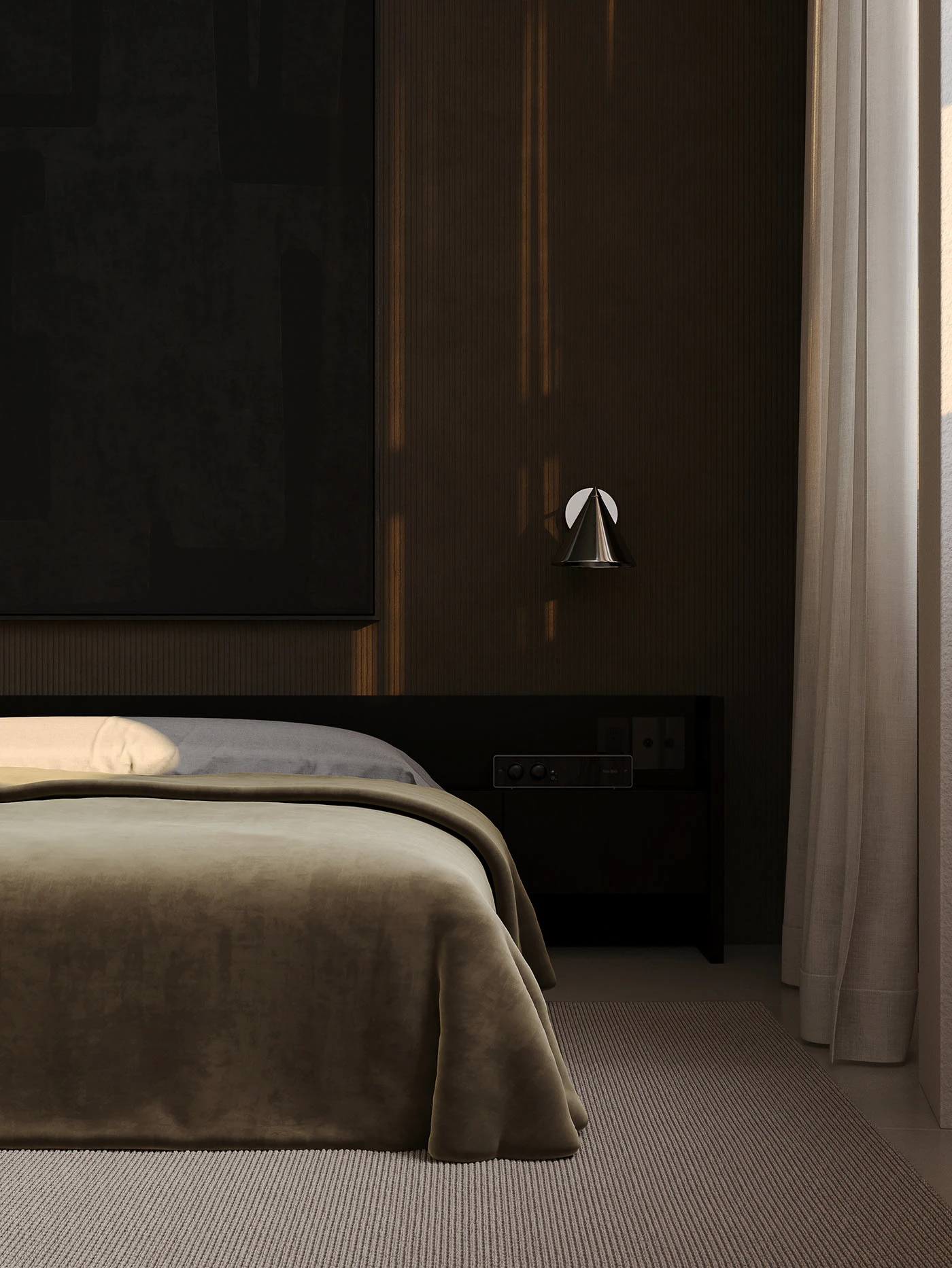
Designing with light requires an understanding of movement. The sun is never still, and neither is the architecture that responds to it. Openings are not merely voids in walls; they are instruments that guide light into space. A narrow slit can create a sharp beam, while a wide aperture diffuses light softly across surfaces.
This relationship between light and architecture is not accidental — it is composed. The placement, size, and orientation of openings determine how light enters, how it travels, and where it settles. Through this control, architects can choreograph experiences that shift from bright and open to intimate and subdued.
Materiality further amplifies this effect. Rough surfaces scatter light, creating softness and texture, while smooth surfaces reflect it, producing clarity and sharpness. In this interplay, materials and light become inseparable.
To design with light is to design with time.
As the day unfolds, spaces transform. Morning light may feel gentle and expansive, while afternoon light introduces warmth and contrast. By evening, shadows deepen, creating a more introspective atmosphere. Architecture, in this sense, is never static — it is continuously redefined by light.
This approach moves beyond aesthetics. It engages emotion. Light can calm, energize, or inspire. It can create a sense of openness or enclosure, guiding how we move and how we feel within a space.
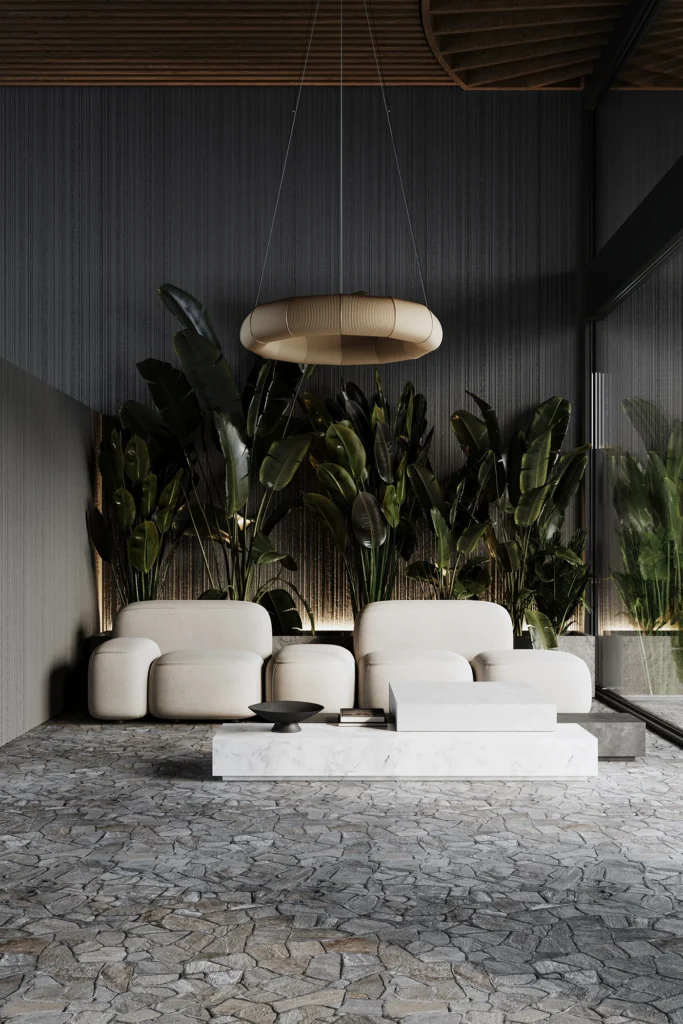
In contemporary design, where artificial lighting often dominates, reconnecting with natural light becomes even more significant. It introduces authenticity — a direct connection to the environment beyond the built form.
Ultimately, treating light as a material shifts the design process itself. It encourages architects to think not just about what they build, but about how that space will be experienced over time. It transforms architecture from a static object into a living composition of light and shadow.