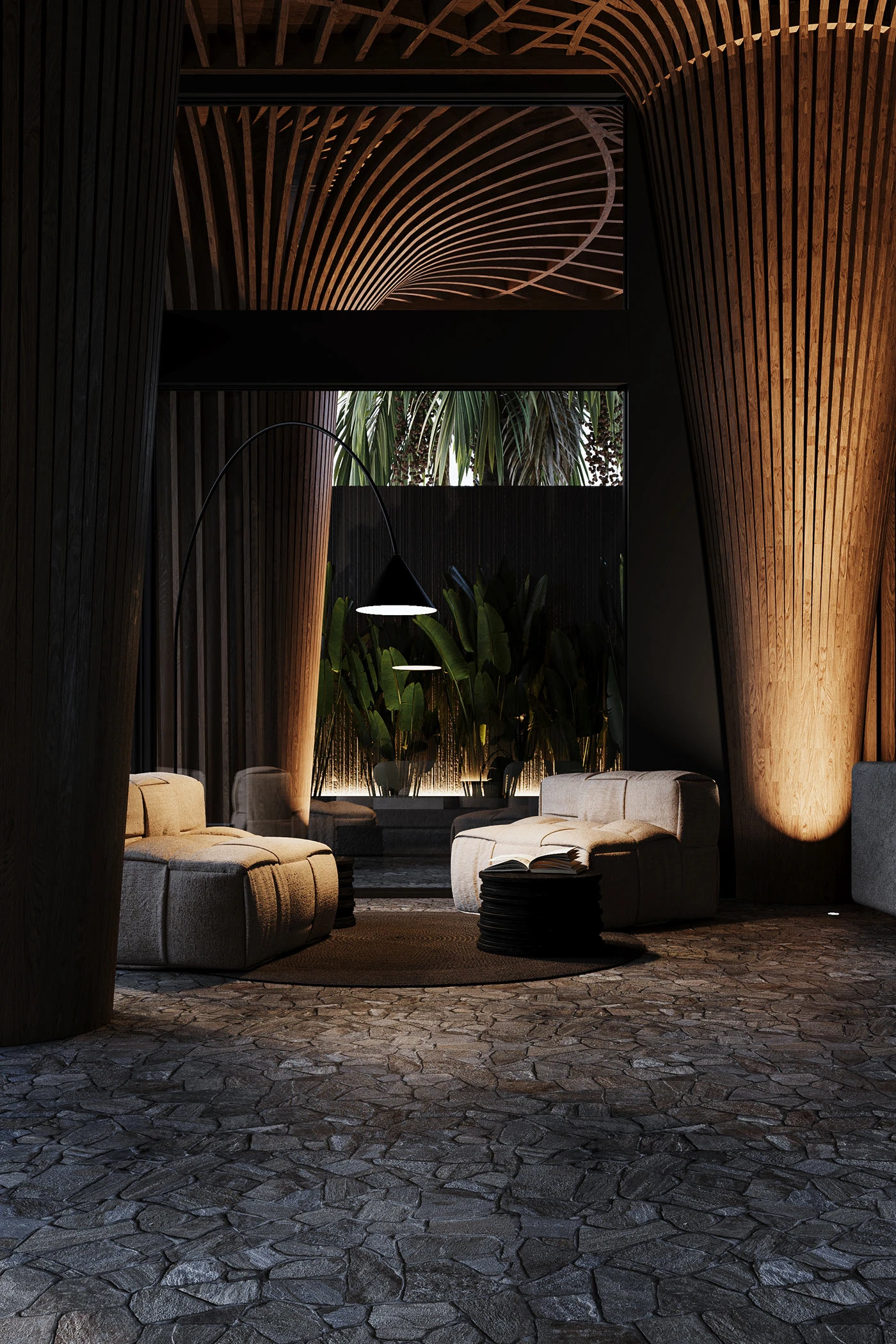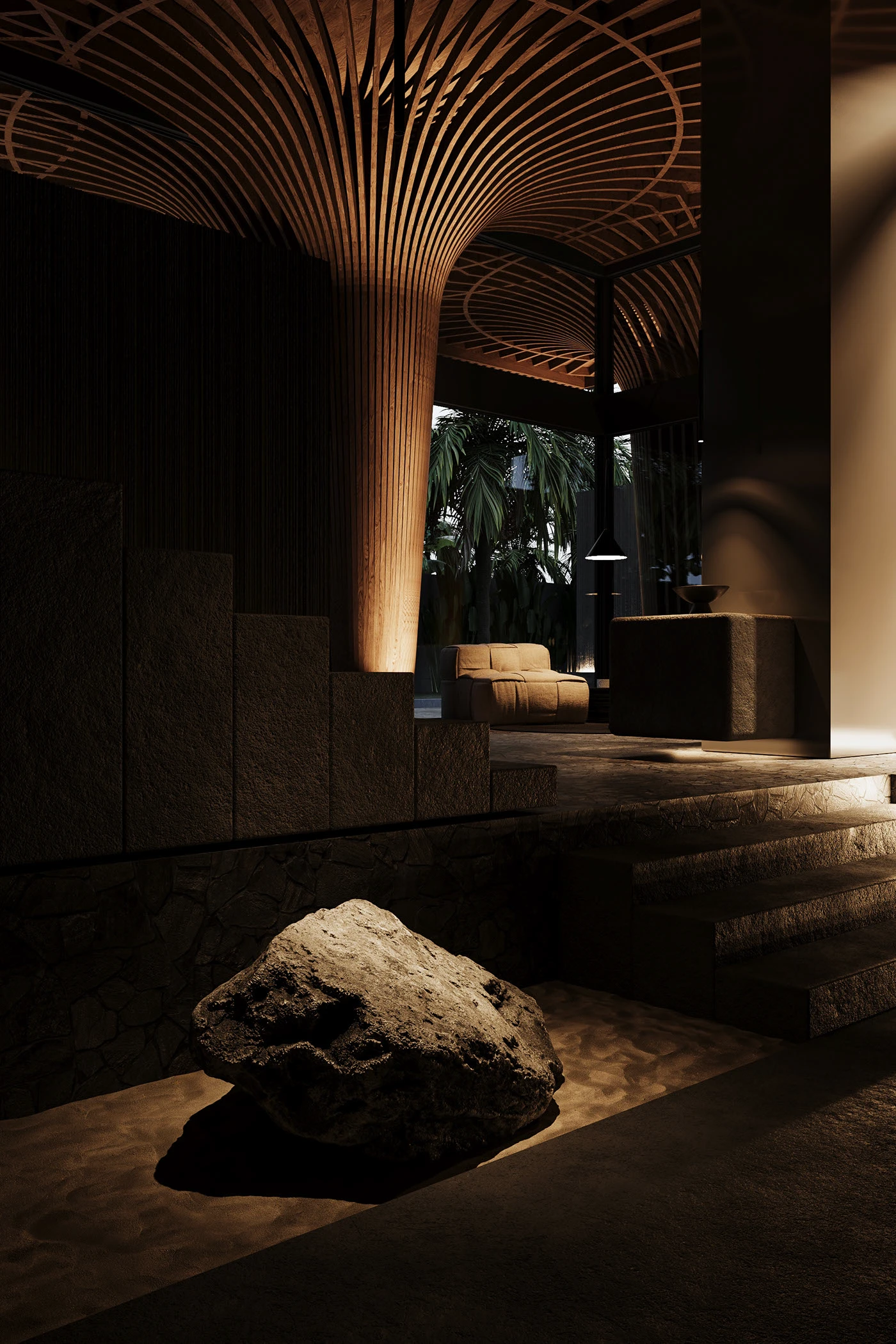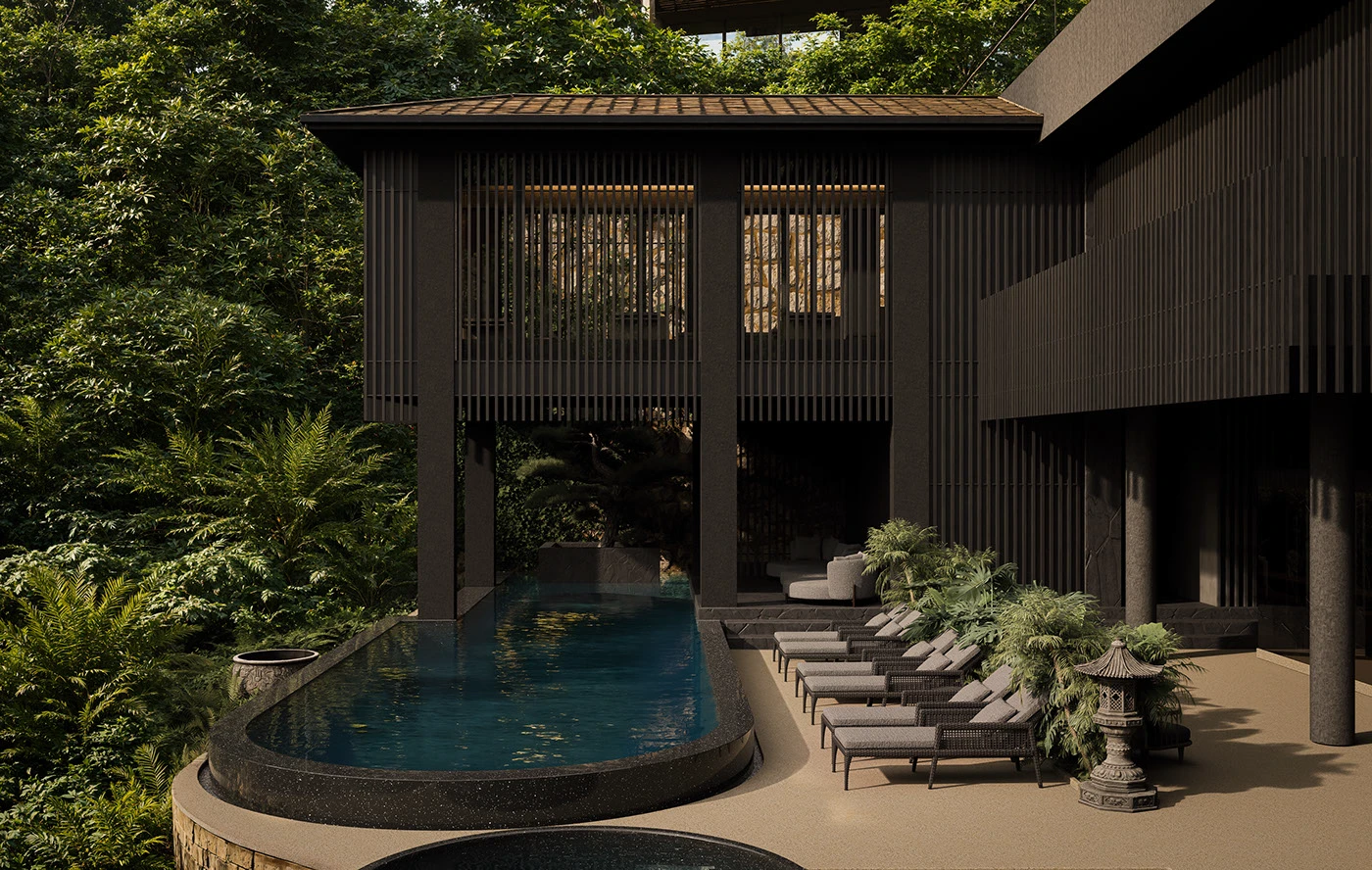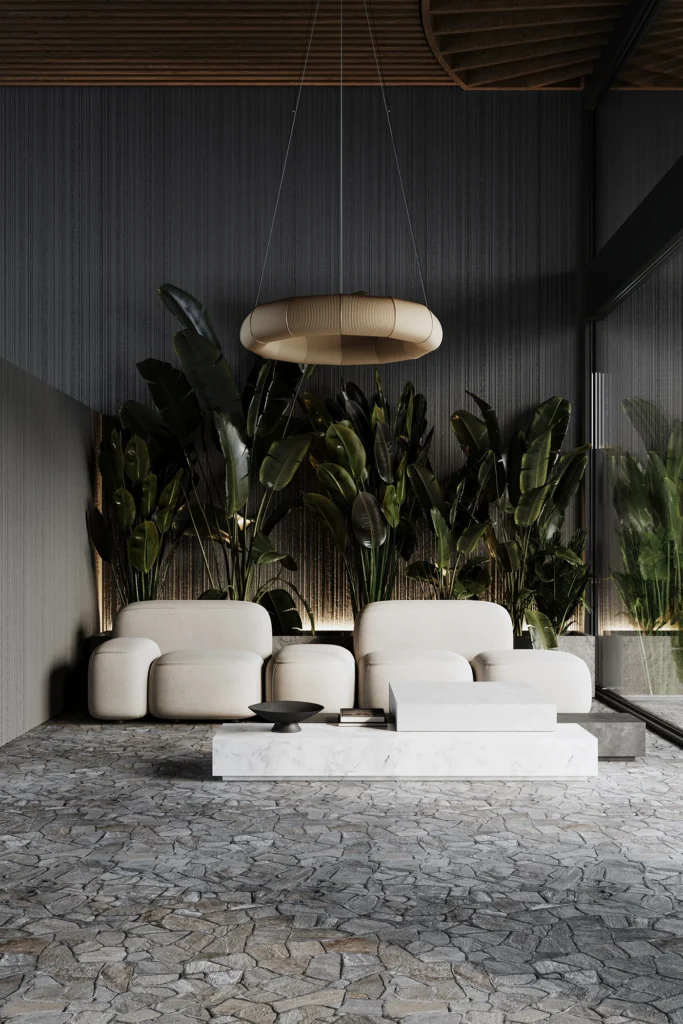
Natural Imperfections: The Beauty of Raw Design
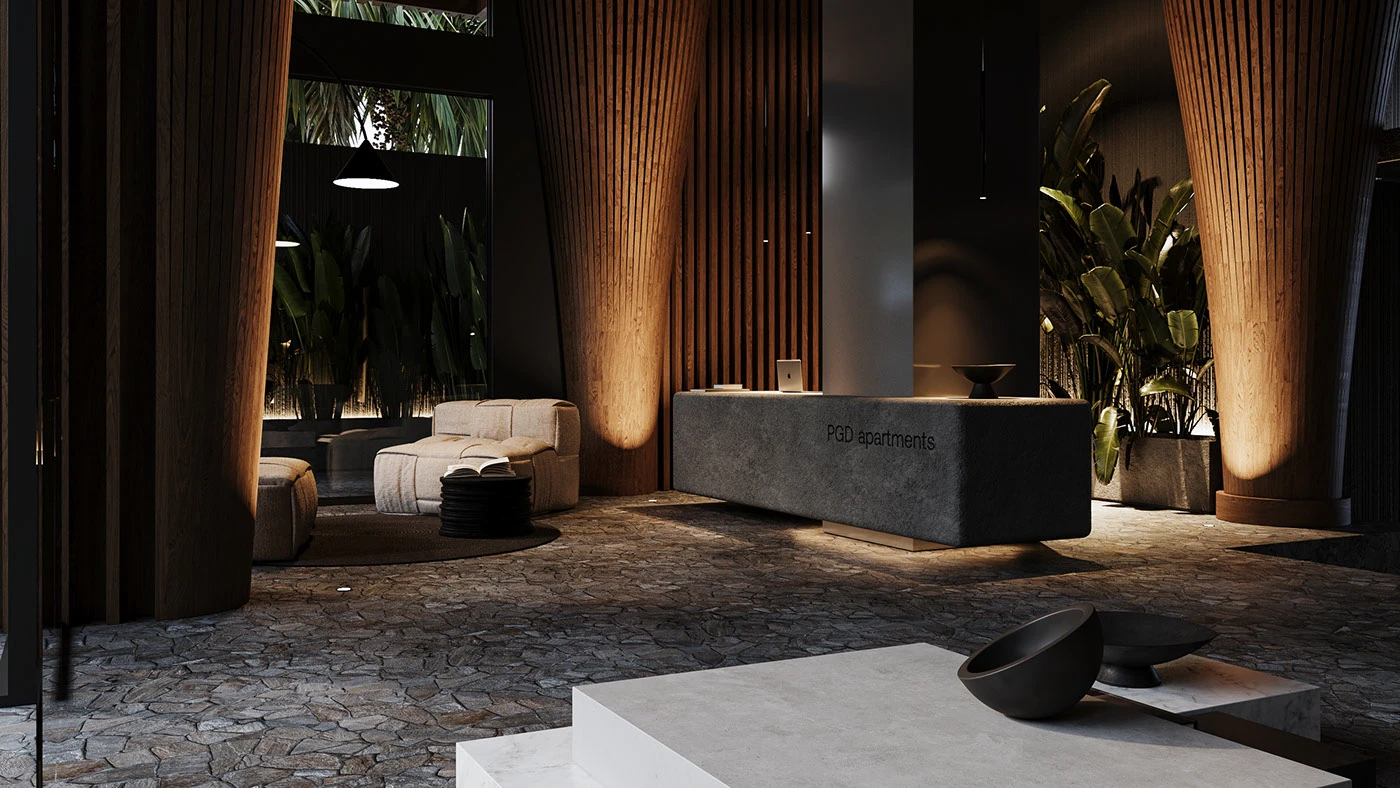
Perfection, as it is often pursued in contemporary design, tends to erase the very qualities that make a space feel alive. Smooth surfaces, uniform finishes, and controlled geometries create visual order — but often at the cost of character. In contrast, raw design embraces irregularity, allowing materials to exist as they are, not as they are forced to be.
Natural imperfections are not flaws; they are records. A crack in stone, the uneven grain of wood, the subtle variation in plaster — each carries a story of formation, time, and process. These details cannot be replicated through artificial means, and it is precisely this uniqueness that gives them value.
In this approach, design becomes less about control and more about acceptance. Materials are not concealed beneath layers of refinement but are revealed, celebrated, and allowed to age. Surfaces evolve, textures deepen, and the space gains a sense of continuity with time.
Imperfection is not a deviation from beauty — it is its foundation.
Raw design introduces a tactile dimension that is often missing in highly polished environments. It invites touch, encouraging a deeper engagement with the space. A rough wall, a worn surface, or an exposed edge creates a sensory dialogue between the user and the material.
There is also an inherent honesty in this philosophy. By removing the need for artificial perfection, the design becomes more sustainable, both visually and materially. It reduces excess, minimizes intervention, and allows the inherent qualities of materials to define the outcome.
The balance, however, lies in restraint. Raw does not mean chaotic. It requires a careful curation of elements — a deliberate decision of where to refine and where to leave untouched. Too much imperfection can become noise; too little can feel sterile.
In contemporary architecture, this approach reconnects us with the essence of building. Before finishes, before decoration, there is structure, material, and light. Raw design brings attention back to these fundamentals.
What is unfinished often feels more complete.
Ultimately, the beauty of raw design lies in its authenticity. It does not attempt to impress, but to resonate. It creates spaces that feel grounded, human, and enduring — spaces that do not seek perfection, but truth.