Architecture Beyond Function: A Philosophical Lens
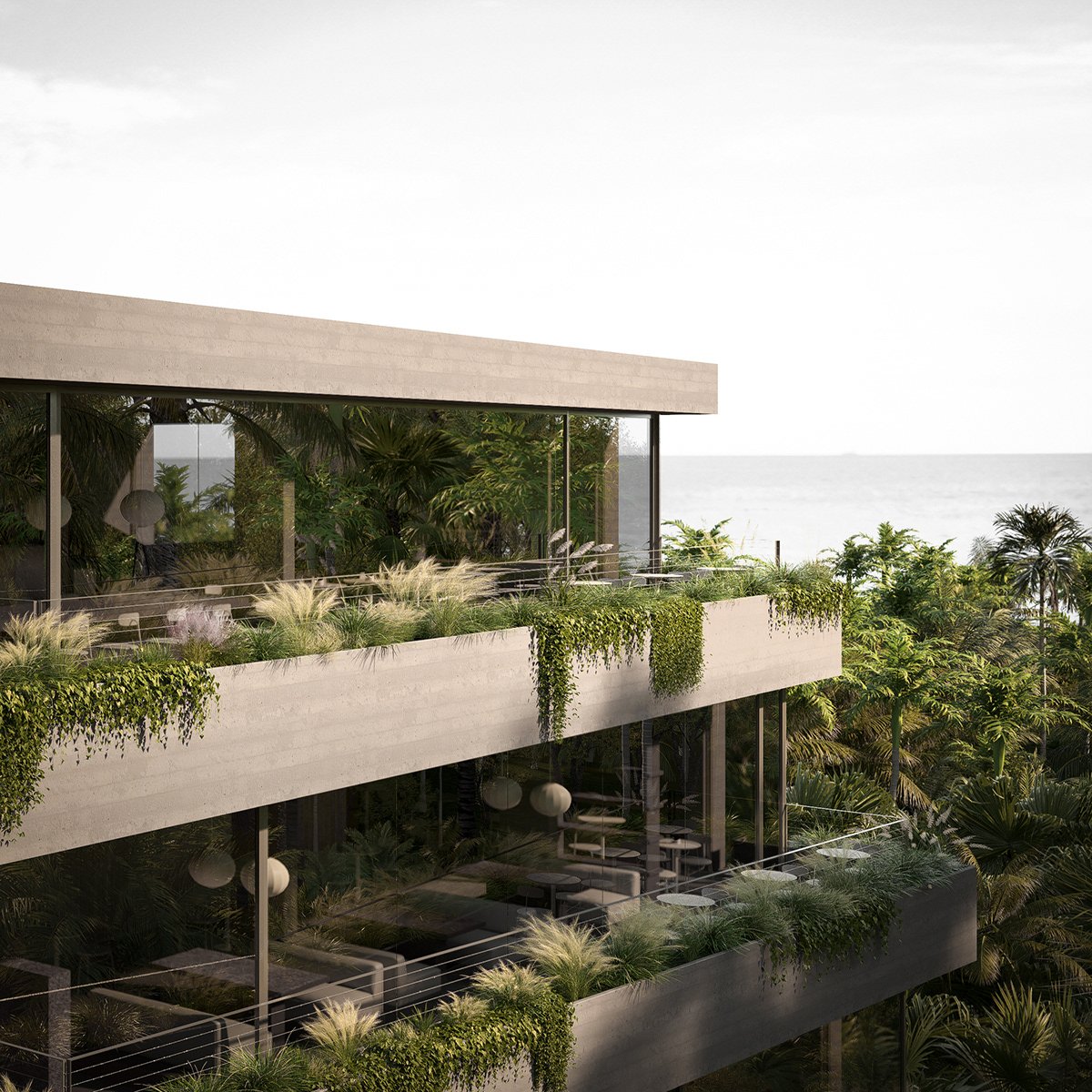
Architecture is often reduced to function — a response to need, a solution to spatial problems, a framework for living. While these aspects are fundamental, they only represent the surface of what architecture truly is. Beyond utility lies a deeper dimension — one that engages with thought, culture, and human experience.
To understand architecture philosophically is to see it not merely as construction, but as expression. Every structure carries an idea, whether intentional or not. It reflects values, priorities, and the way we choose to inhabit the world.
In this sense, buildings are not neutral. They shape behavior, influence emotion, and define how we relate to space and to each other. A narrow corridor can create tension, while an open courtyard invites connection. These are not just design decisions — they are experiential constructs.
Architecture does not simply serve life; it shapes how life is lived.
The philosophical lens shifts the focus from “what a building does” to “what it means.” It asks questions that go beyond efficiency: What does this space communicate? How does it make us feel? What kind of life does it encourage?
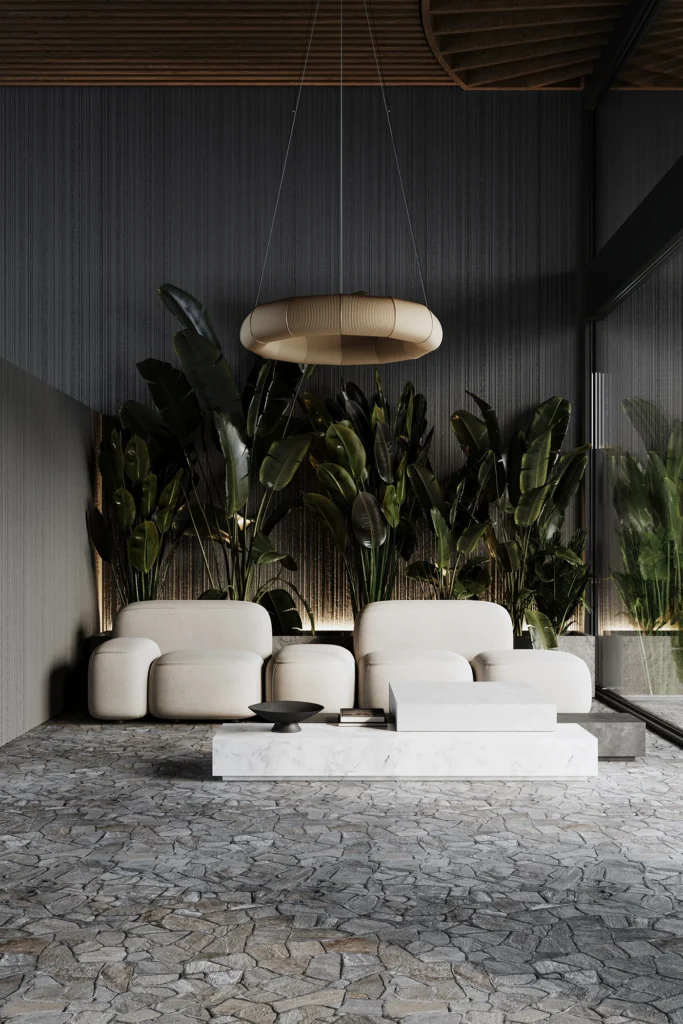
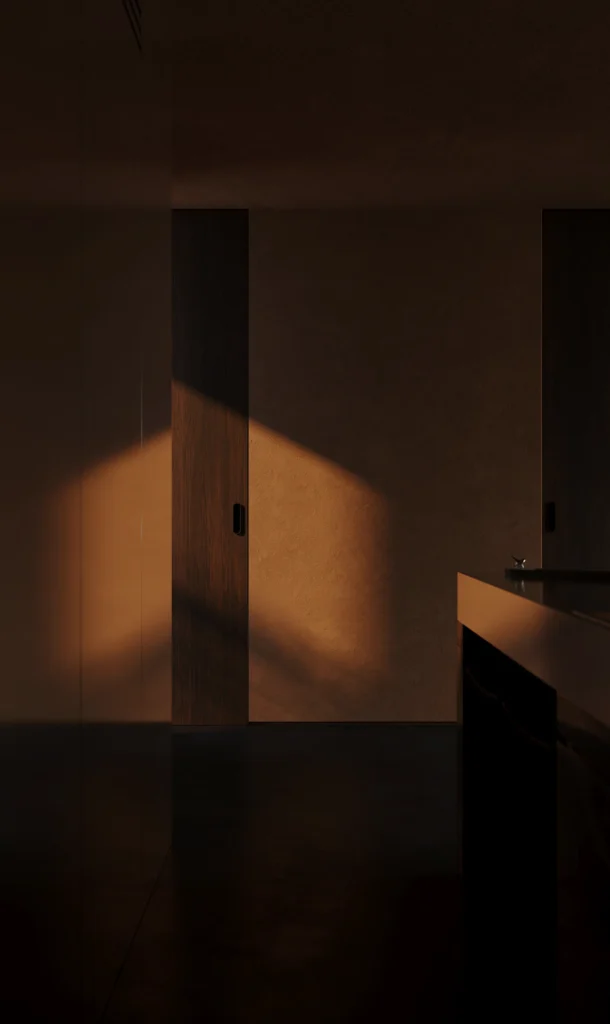
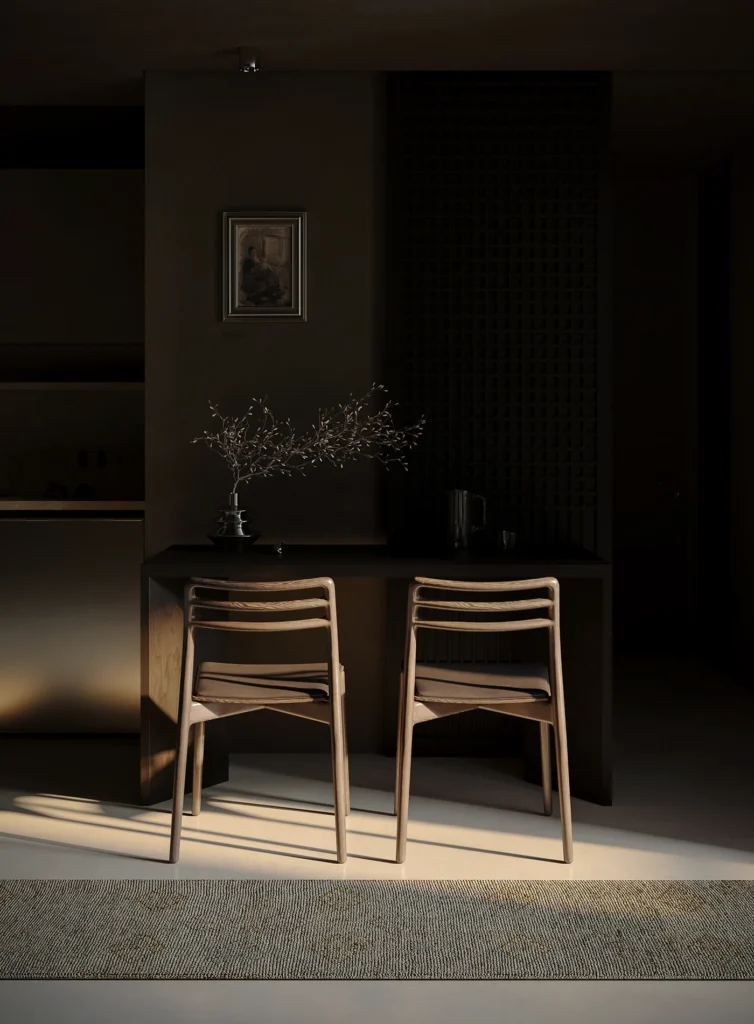
Materiality becomes more than a technical choice — it becomes symbolic. Stone may suggest permanence, glass transparency, and wood warmth. Light is no longer just illumination, but a medium that defines presence and absence.
Time also plays a crucial role. Architecture exists not in a single moment, but across durations. It ages, adapts, and accumulates meaning. A building designed with this awareness acknowledges that it will evolve — both physically and culturally.
A meaningful building is not one that is perfect, but one that continues to reveal itself over time.
This perspective challenges the pursuit of perfection. Instead of aiming for static completeness, it embraces openness — allowing space for interpretation, change, and personal experience.
In contemporary practice, where speed and efficiency often dominate, this approach offers a counterbalance. It reminds us that architecture is not only about solving problems, but about asking better questions.
Ultimately, architecture beyond function is about intention. It is about designing spaces that resonate — not just with immediate needs, but with deeper human sensibilities. Spaces that do not simply exist, but endure in thought, memory, and experience.