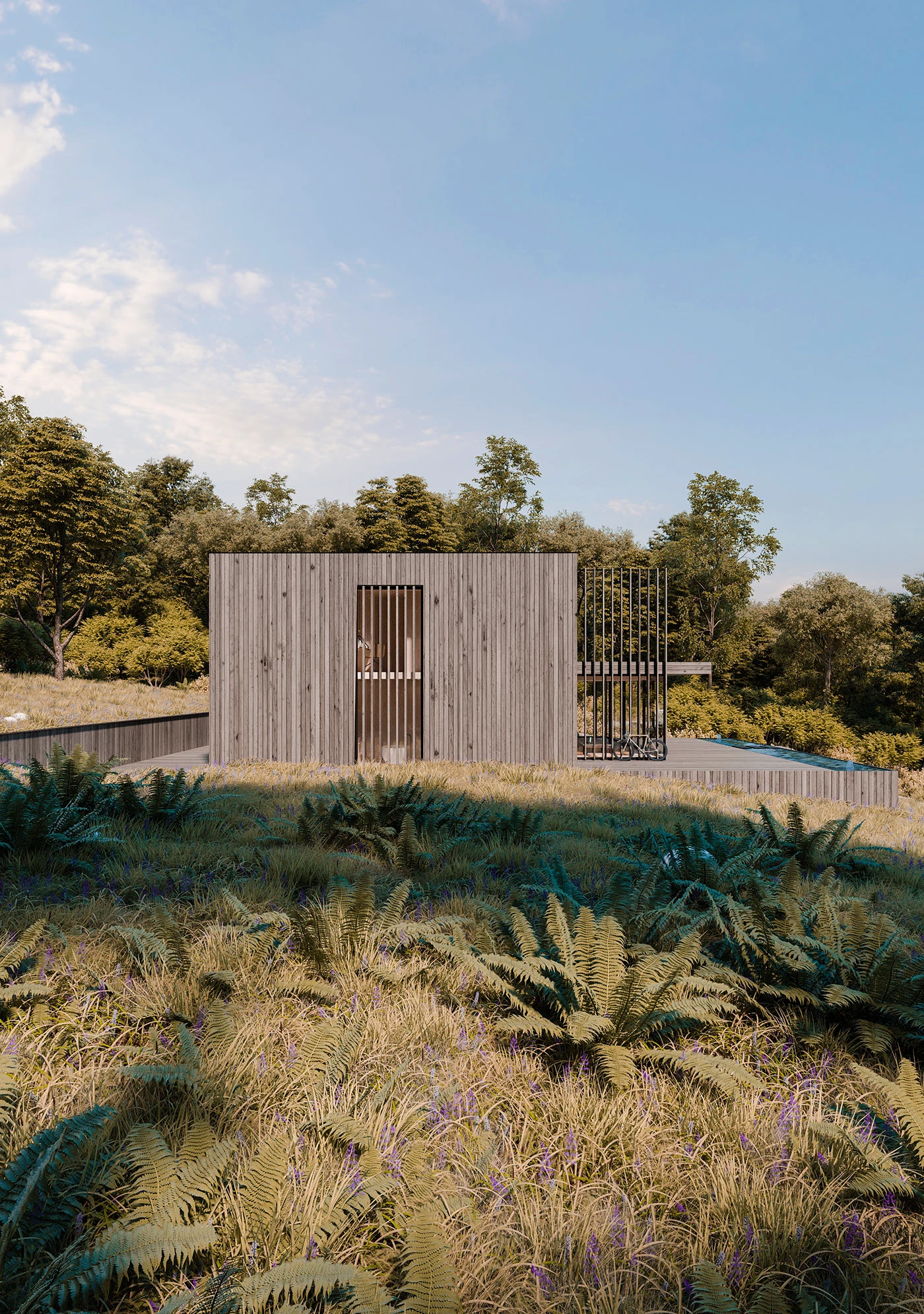
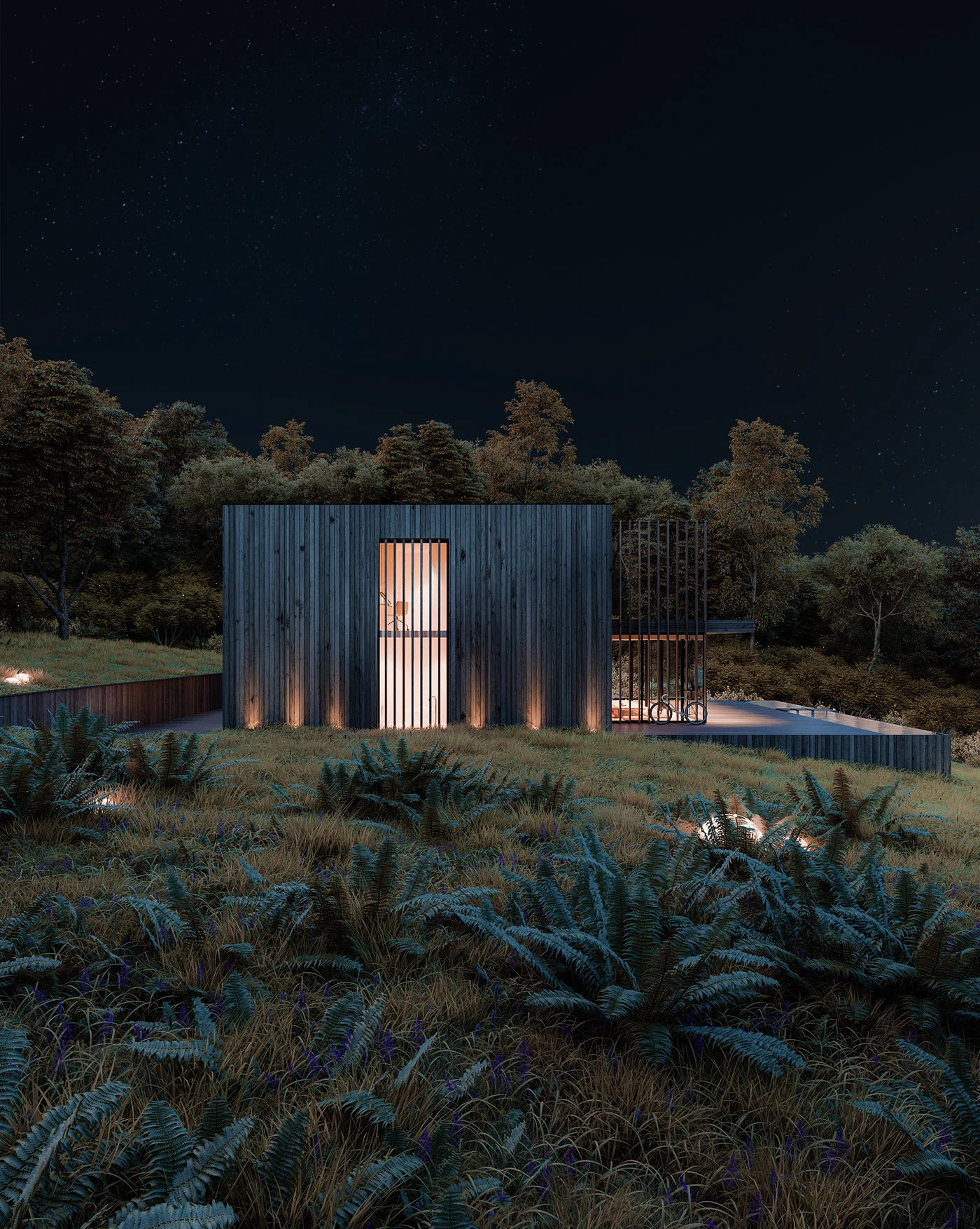
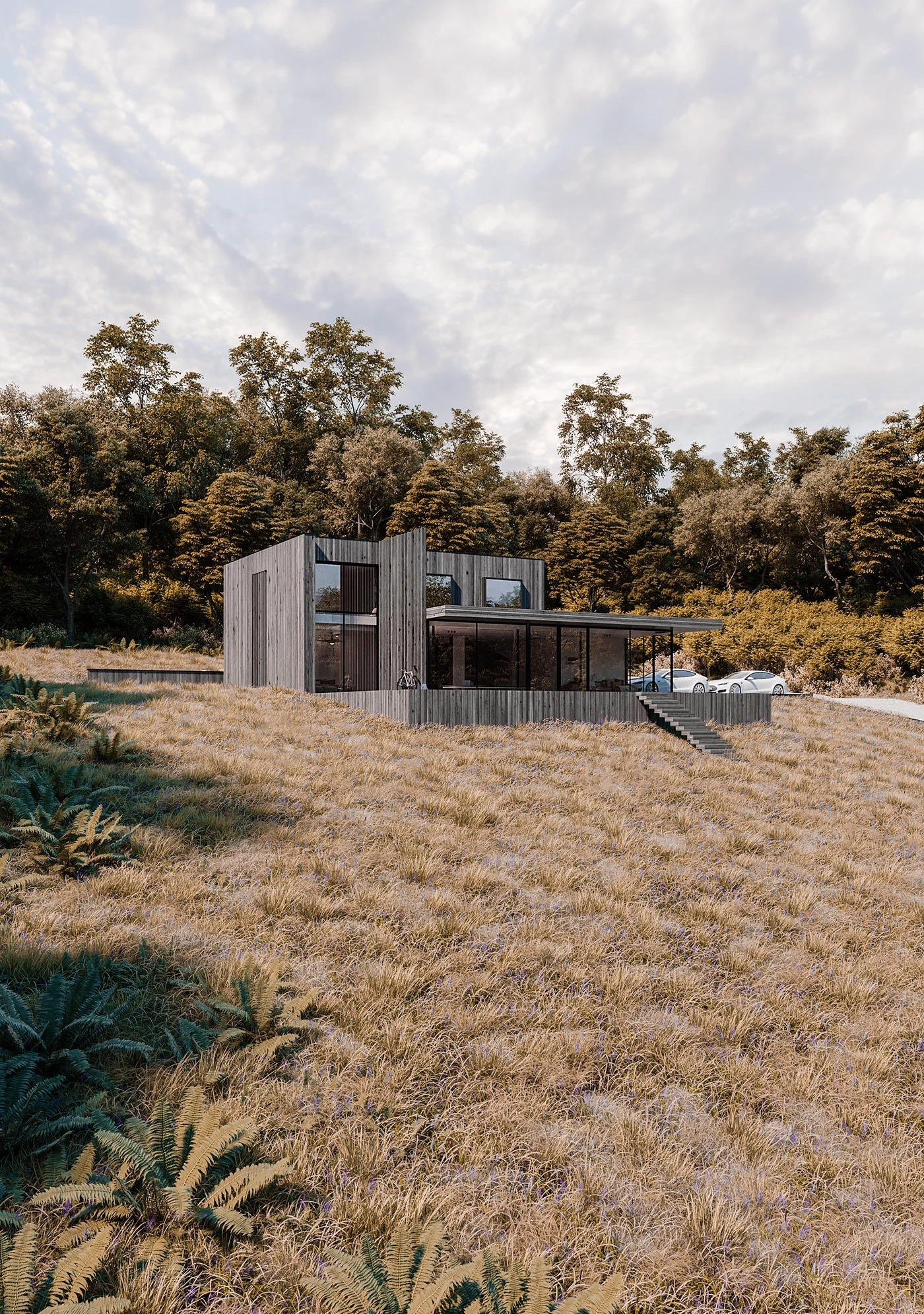
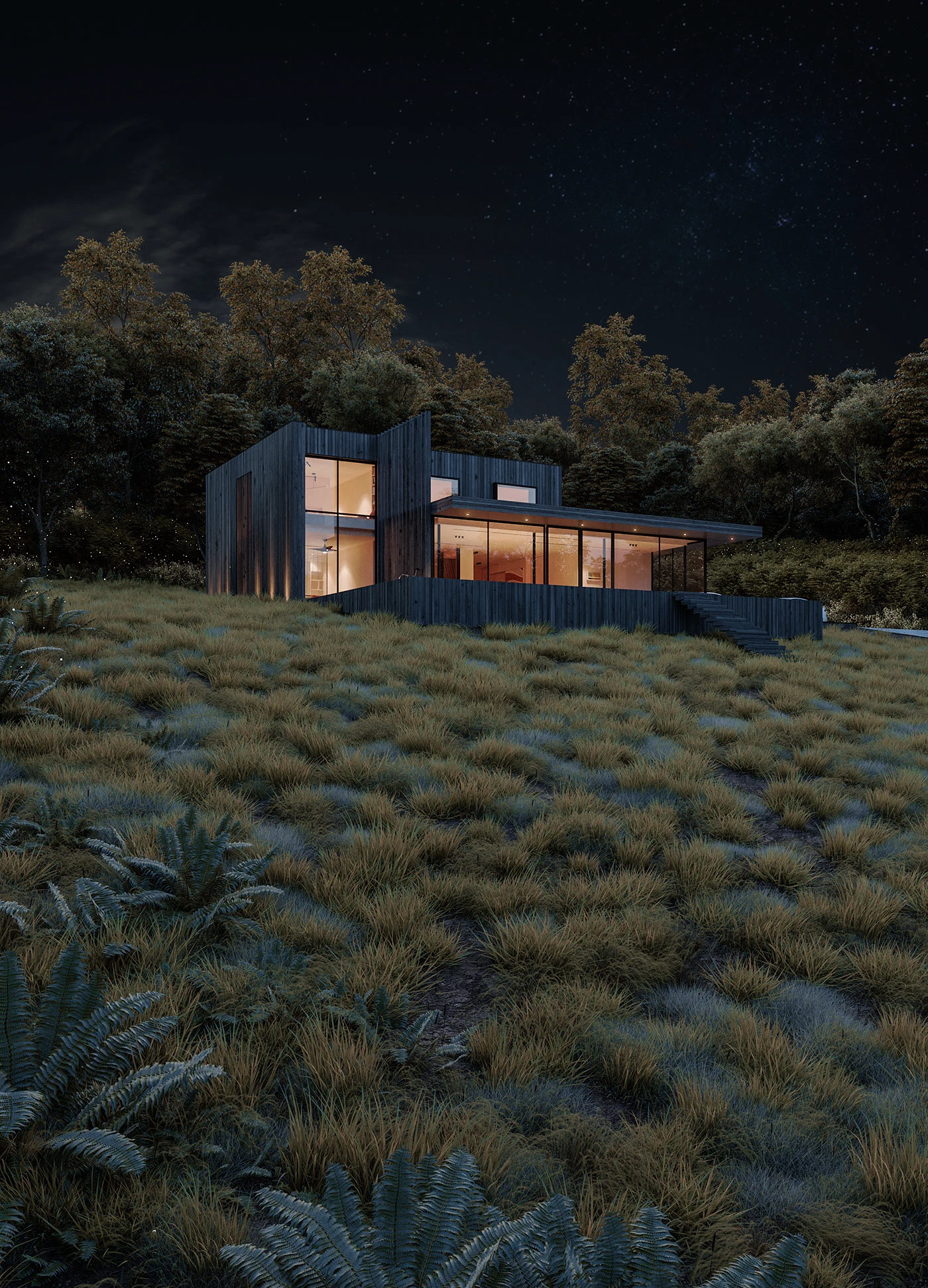
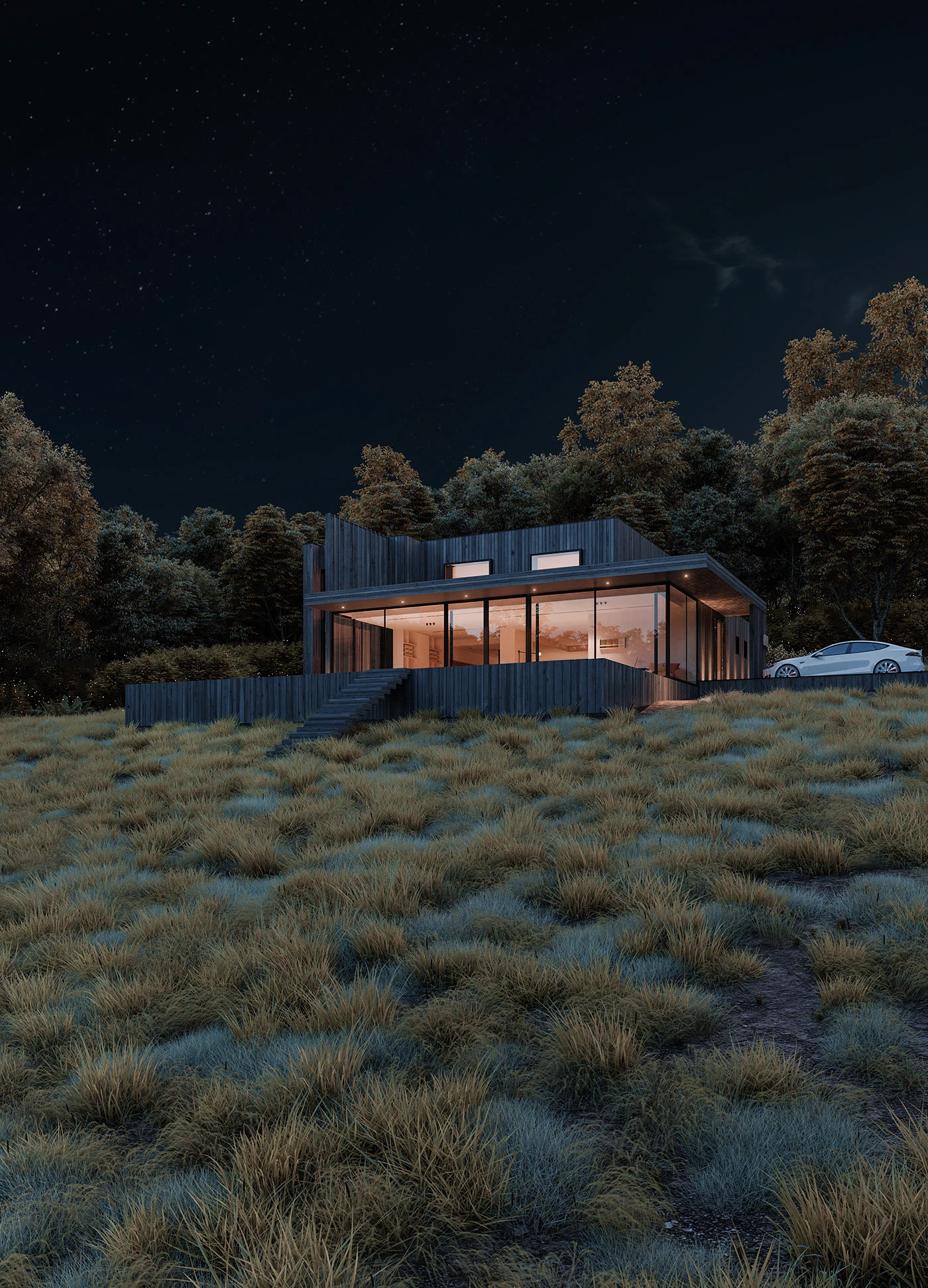
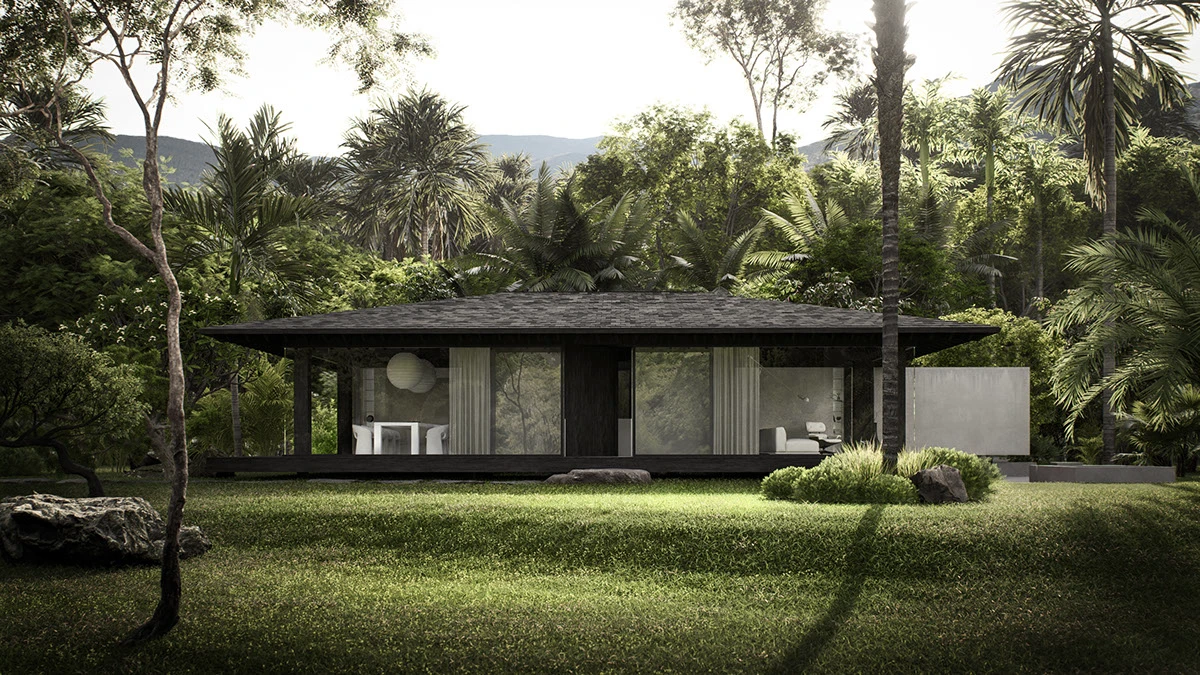
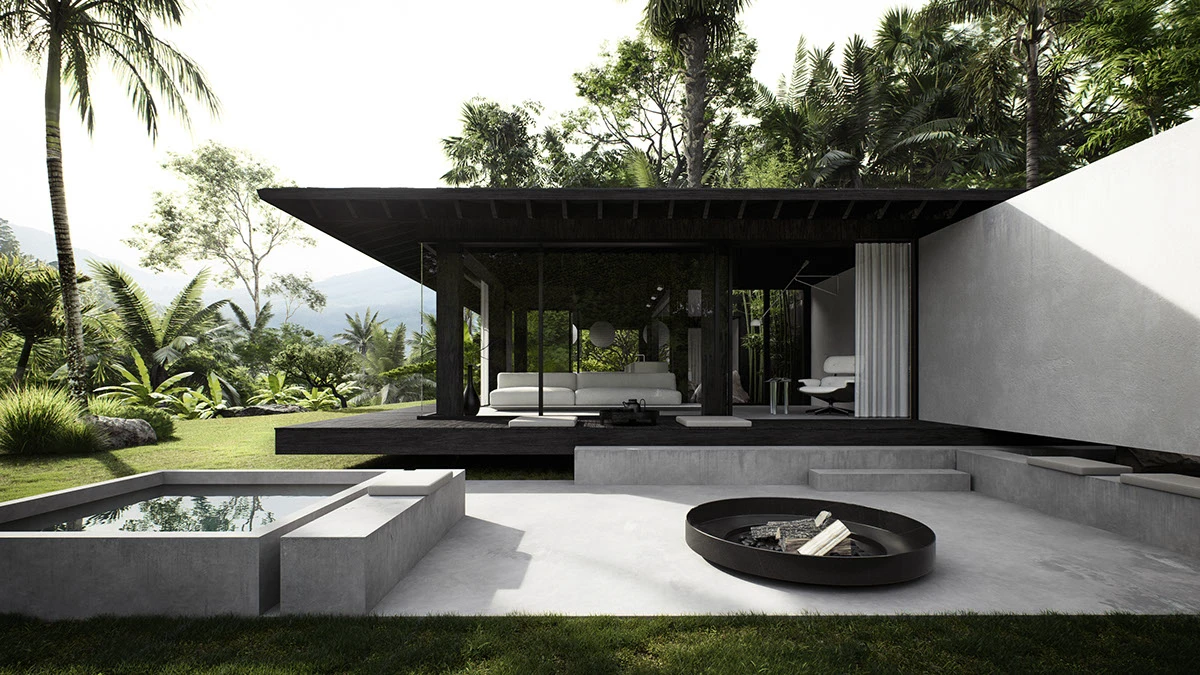
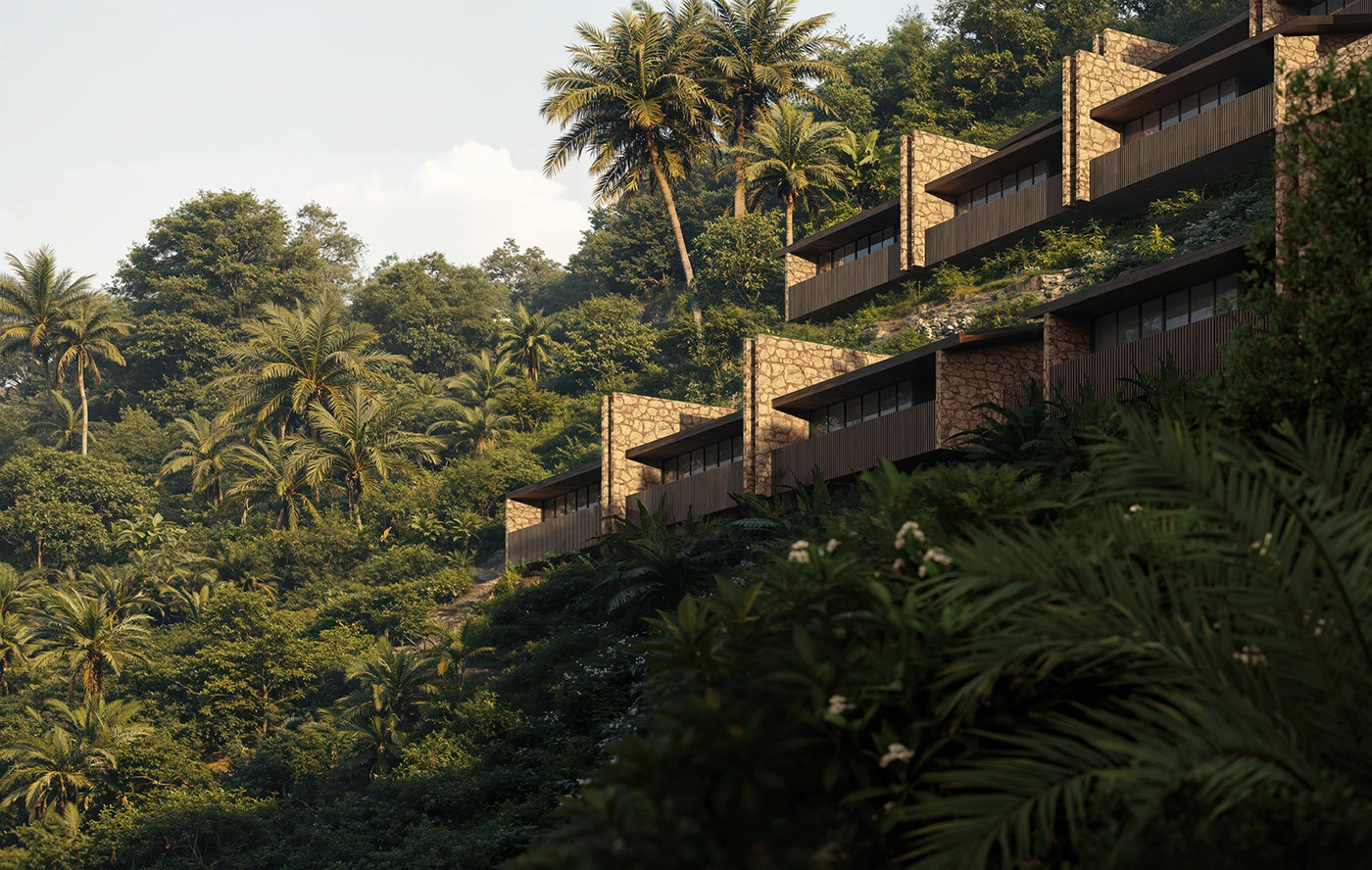
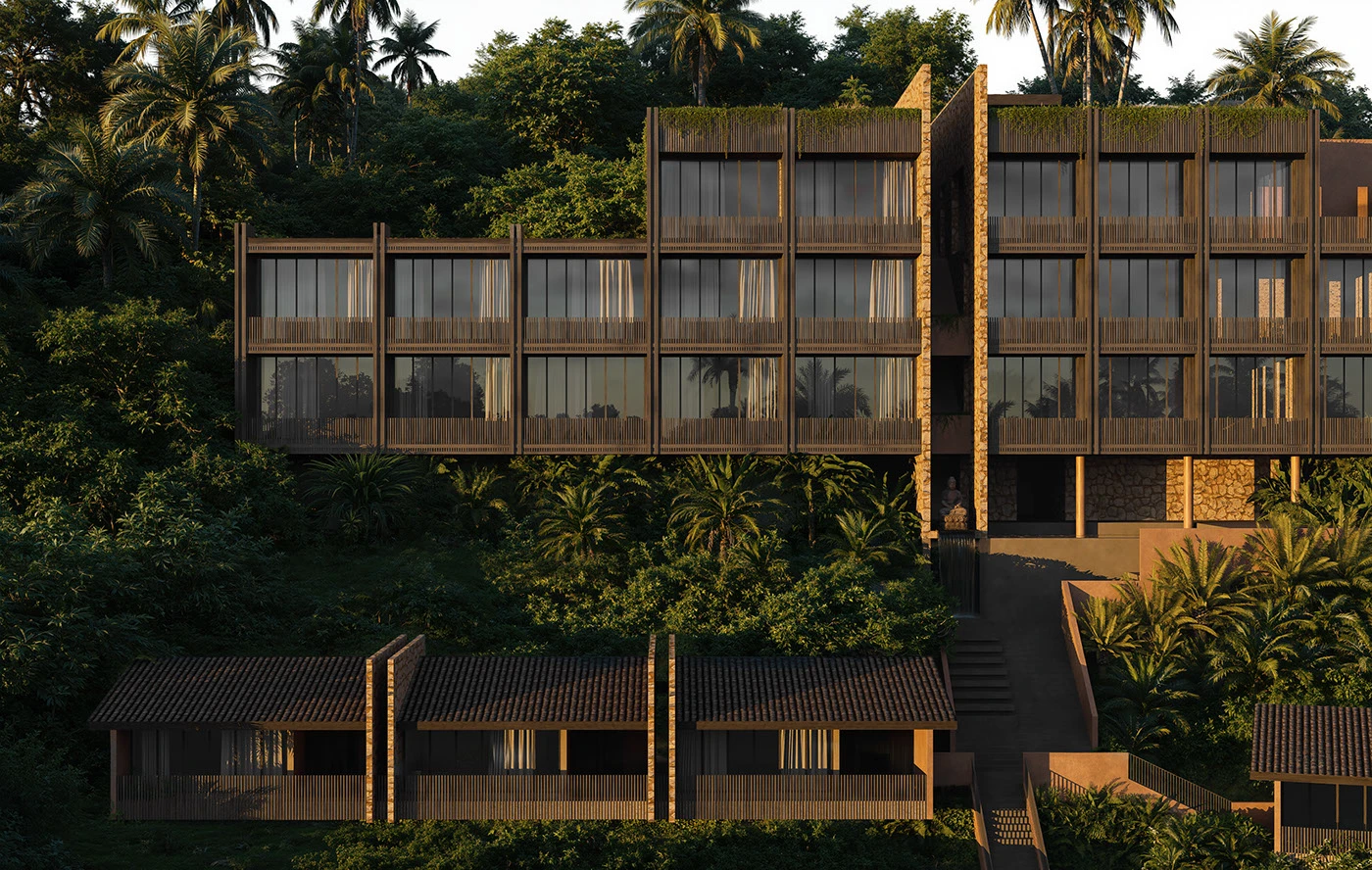
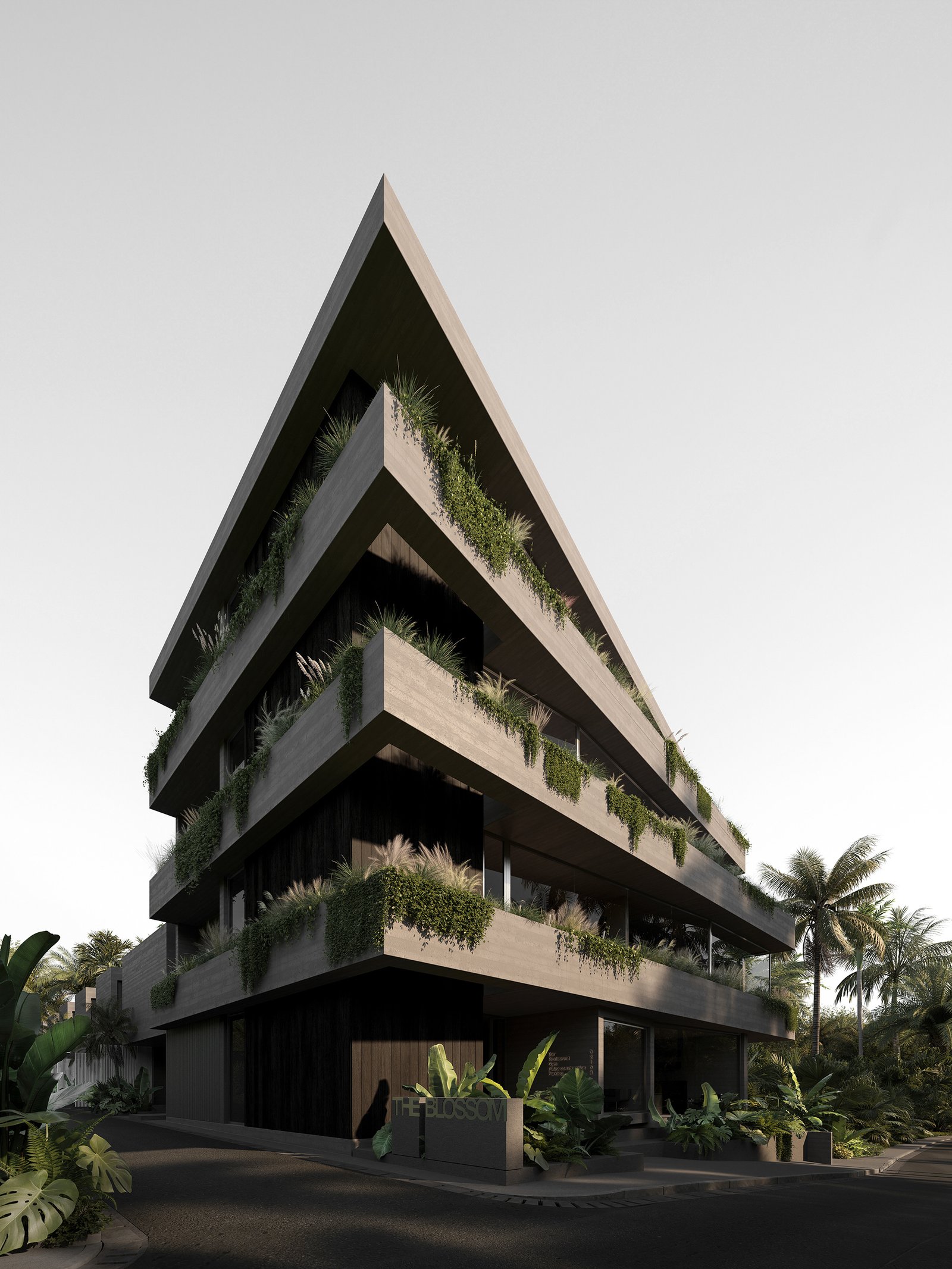
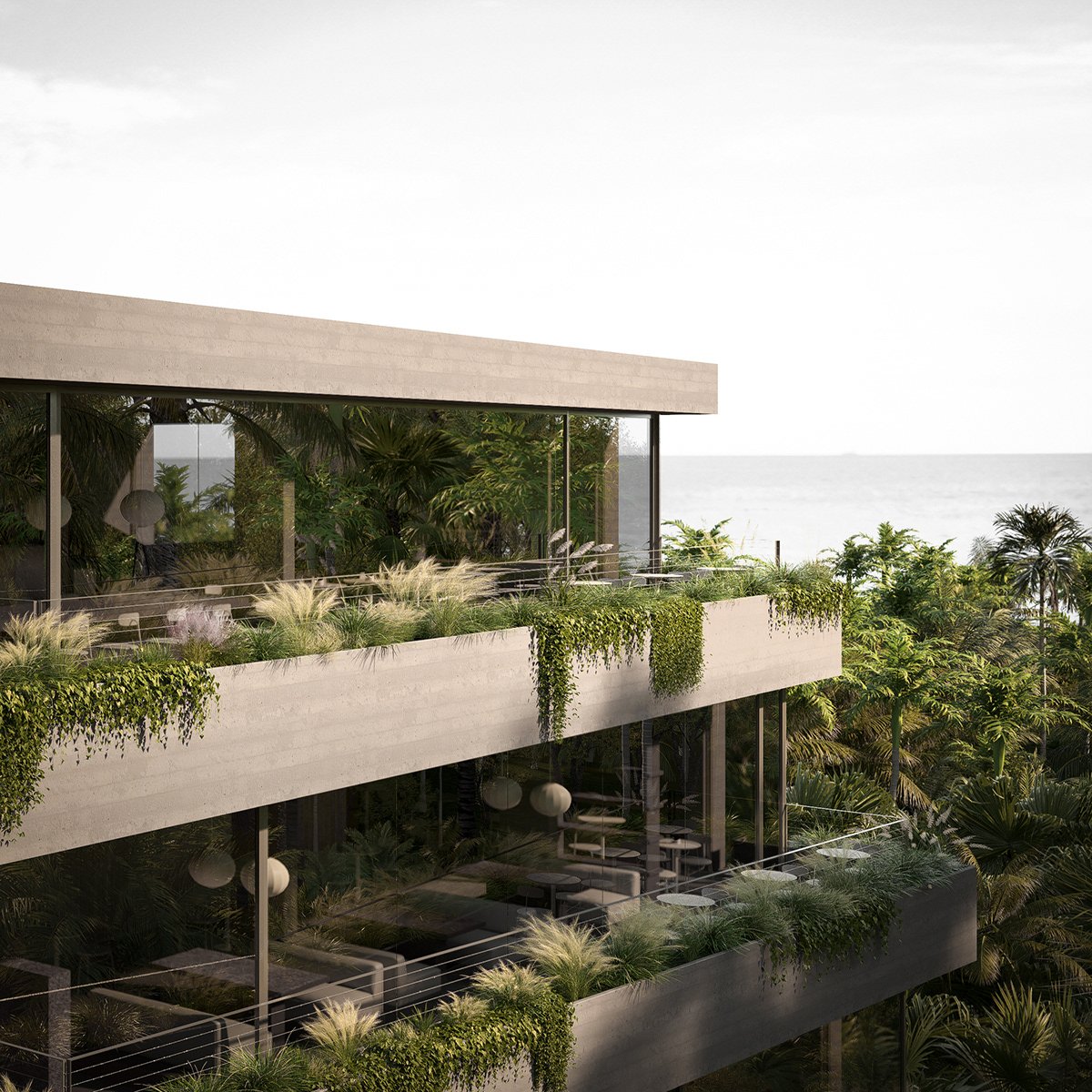
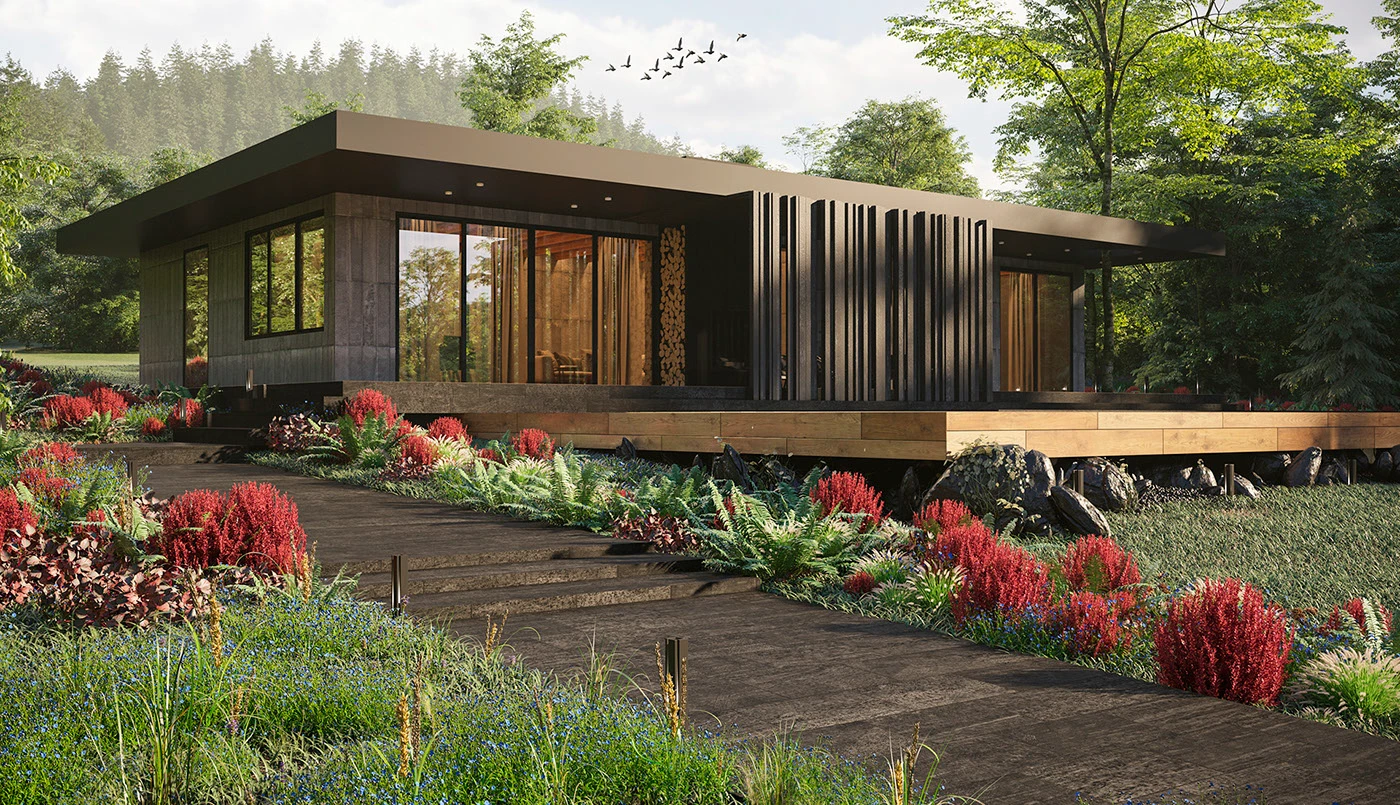
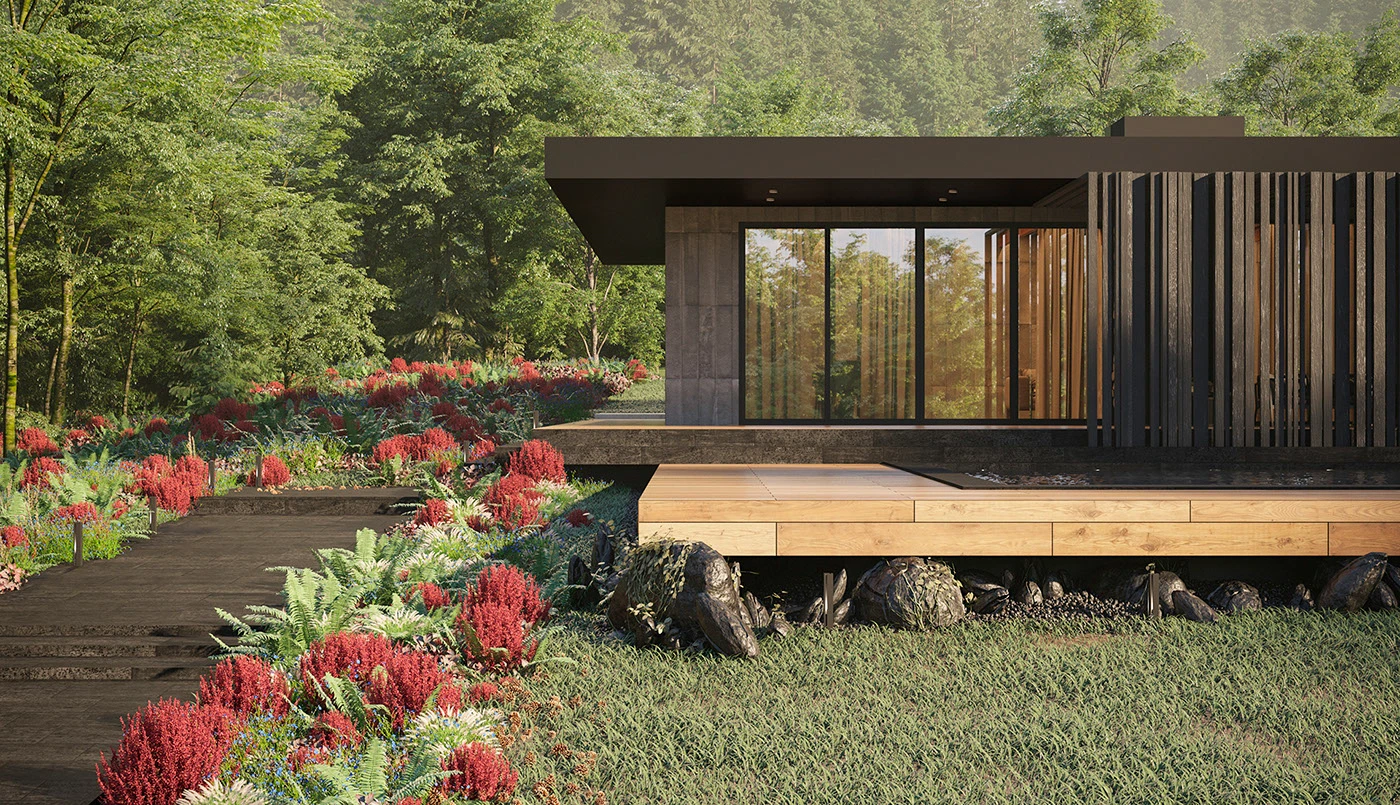
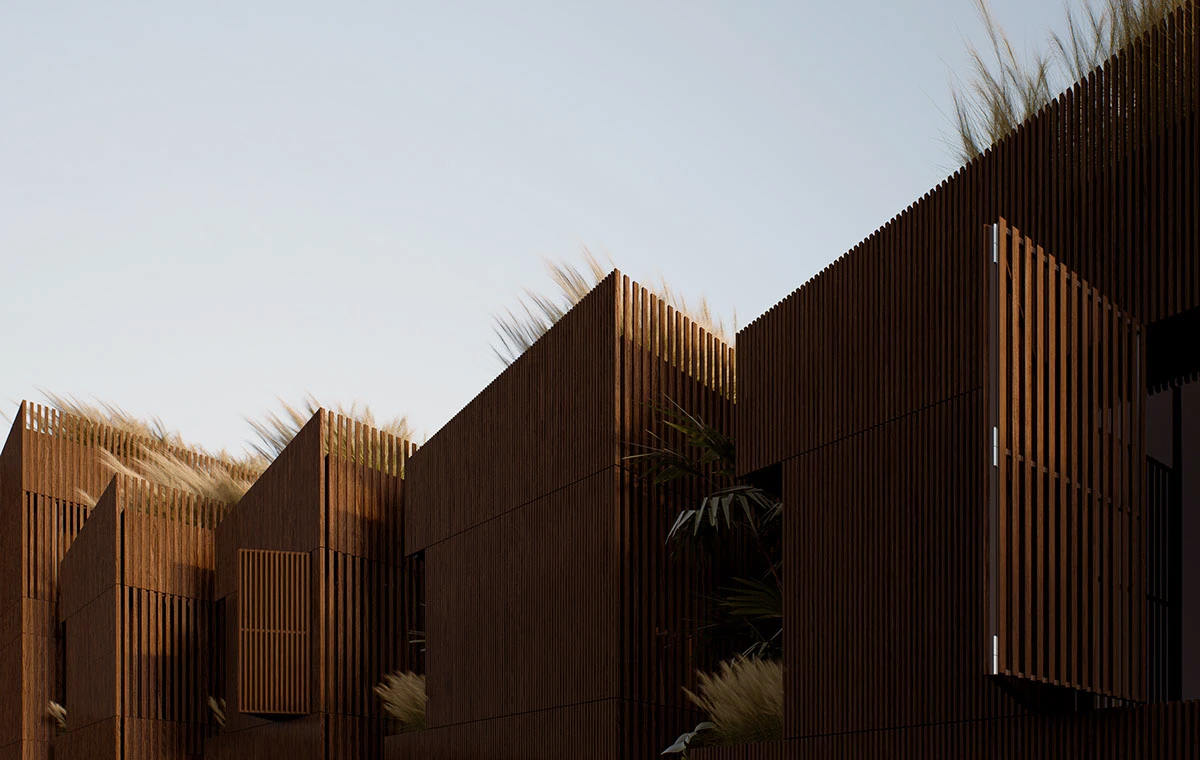
Kemel is a contemporary architectural concept that reimagines residential living within a dense forest environment, offering a unique interpretation of how modern design can coexist with nature. Developed as a visualization project, it focuses on the relationship between built form and its surroundings rather than traditional residential priorities. The concept emphasizes exterior composition, natural lighting, and environmental integration, creating a space that feels both secluded and deeply connected to the woodland setting.
Set within an atmospheric forest landscape, the architecture is intentionally subtle and restrained. Instead of standing out, the structure blends into its surroundings, allowing the textures, colors, and depth of the forest to remain visually dominant. This approach transforms the building into a quiet presence—refined yet unobtrusive—where the natural environment becomes the primary experience rather than a backdrop.
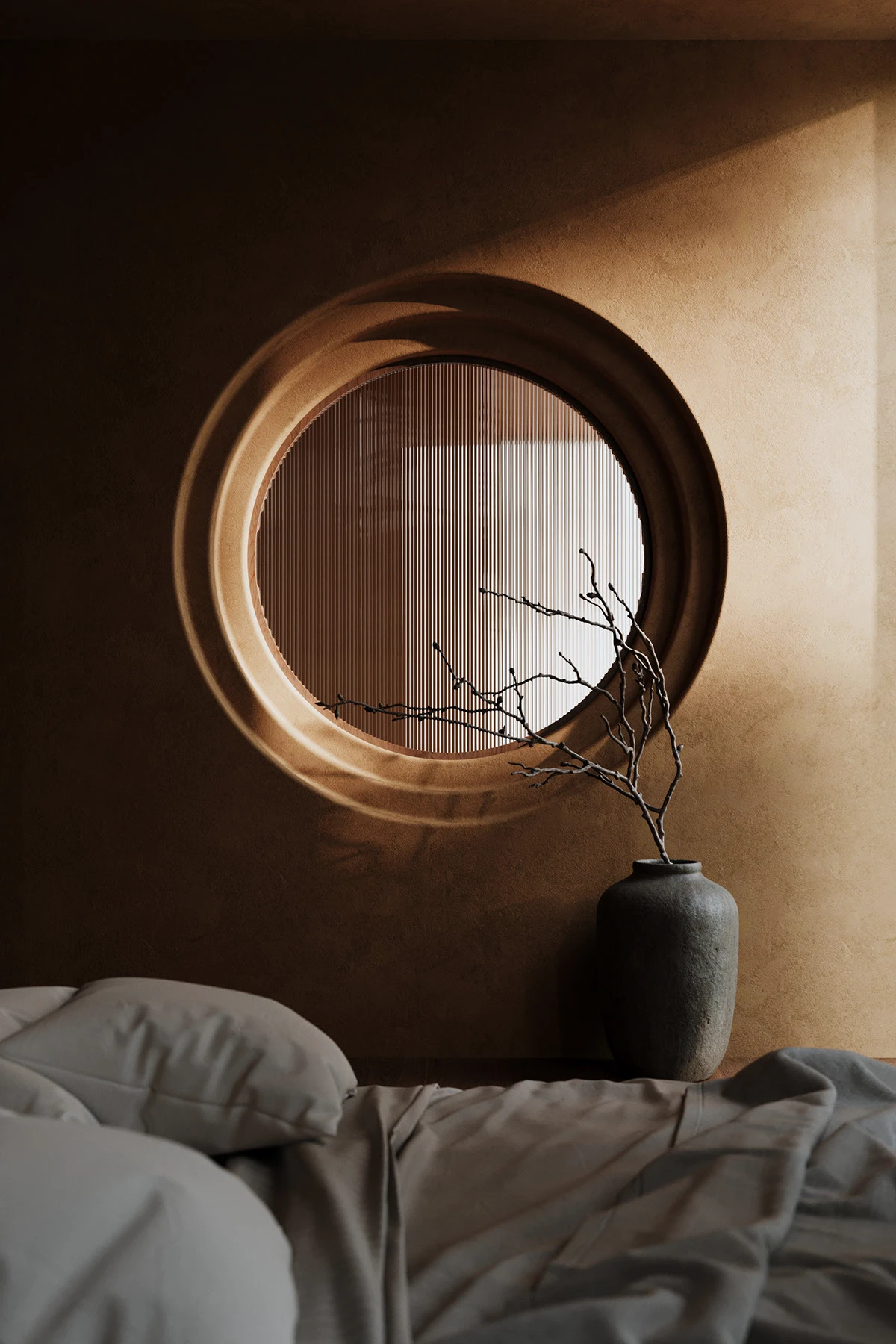
Unlike conventional residential designs that prioritize interior detailing and complexity, Kemel shifts its focus outward. The project explores how architecture can enhance the sensory experience of nature through carefully considered forms, materials, and light. Openings, shadows, and reflections are designed to interact with the changing conditions of the forest, creating a dynamic yet calming atmosphere throughout the day.
At its core, the concept follows the philosophy of “architecture as a silent observer,” where the design does not attempt to compete with or overpower its surroundings. Instead, it works in harmony with the environment, embracing minimal intervention and allowing nature to lead. This results in a space that feels immersive, where the boundaries between architecture and landscape become almost indistinguishable.
Kemel ultimately captures the essence of solitude, calmness, and introspection. It is envisioned as a retreat where external distractions fade away, encouraging a deeper connection with nature and self. The project reflects a growing architectural mindset in which less visibility creates more presence, proving that a design does not need to dominate to leave a lasting impact.